What Hotel Owners Actually Need From Photography
Beyond style and trends, hospitality photography succeeds when it delivers clarity, consistency, and images that work across every part of a property’s marketing.
Hotel photography is often framed as a question of style. Natural light versus flash. Bright versus dramatic. Wide versus tight. Most hotel owners don’t need a style. They need clarity. Successful hospitality photography isn’t defined by trends. It’s defined by usefulness. The images need to do more than look good. They need to function across booking platforms, marketing campaigns, and press features while accurately representing the experience of the property.
Context Creates Confidence
A hotel doesn’t exist in isolation. Guests want to understand where they are before they ever arrive.
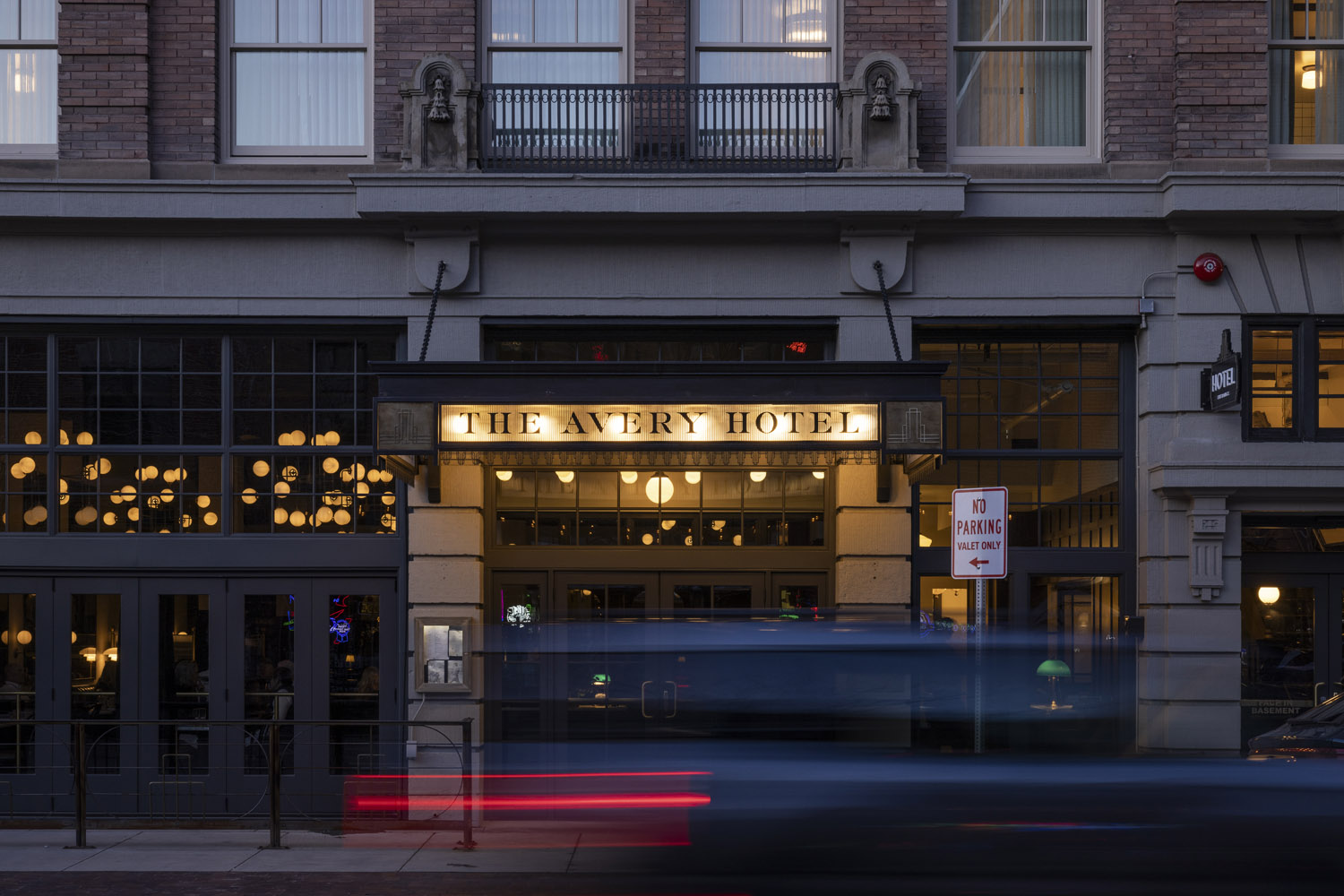
Exterior views, arrival moments, and environmental context help establish that sense of place. Without them, interior images feel disconnected. A beautiful guest room photograph may attract attention, but without understanding how the property sits in its surroundings, the visual story feels incomplete.
Context provides orientation, and orientation builds confidence for potential guests.
Establishing Visual Hierarchy
Within the property itself, not every image should carry the same visual weight.
Each major space typically benefits from one or two defining compositions that clearly communicate the design and layout. These images anchor the story. Supporting angles then add information about how the space functions, while tighter details highlight craftsmanship, materials, or distinctive design elements.
When every frame tries to act as a hero image, the set becomes visually noisy. A clear hierarchy keeps the photography focused and easy to navigate.
Hotel photography isn’t just about making spaces look beautiful. It’s about helping people understand the experience of the property before they arrive.
Consistency Across the Property
Consistency is just as important as composition.
If guest rooms are photographed with one visual language, public spaces with another, and amenities with a completely different tone, the final collection begins to feel fragmented. Lighting, color balance, perspective, and camera height should feel cohesive throughout the entire image set.
The goal isn’t to make every image identical. It’s to maintain alignment so the photography feels like a unified representation of the property.
Respecting the Role of Light
Light plays a central role in how hospitality spaces are perceived.
In design-forward hotels especially, materials, textures, and atmosphere are integral parts of the architecture. Working with existing light often preserves that integrity and helps the images reflect how the space actually feels in person.
When handled thoughtfully, natural light produces photographs that feel believable rather than manufactured. The objective isn’t exaggeration. It’s interpretation—showing the space at its best while remaining truthful to the experience.
Designing Images for Practical Use
Hotel photography doesn’t live in a single format.
Images are cropped for booking engines, resized for social media, adapted for advertising campaigns, and occasionally placed into editorial features or print materials. Because of that, compositions need flexibility. Strong photography should still function when cropped or re-framed for different layouts.
Images that only work in one format limit how effectively a marketing team can use them.
Thinking Beyond the Current Trend
Longevity is another factor that’s often overlooked.
Visual trends move quickly. Dramatic color grading, exaggerated perspectives, or highly stylized lighting might feel contemporary today, but they rarely age well. Hospitality photography typically needs to serve a property for years, not months.
When the design itself is strong, the photography should support it rather than compete with it.
Working Within Real Hotel Operations
Production realities also shape how hospitality photography happens.
Hotels continue operating during a shoot. Guests arrive and depart. Rooms turn over. Staff move through spaces. Conditions change throughout the day.
Photography has to respect that environment while still delivering refined results. Efficiency without precision becomes careless. Precision without efficiency becomes impractical. The balance between the two is where professionalism lives.
The Takeaway
At its best, hotel photography is not decoration. It’s infrastructure.
The images influence perception, shape pricing expectations, and support booking decisions long after the shoot itself is finished. They become a core part of how the property communicates with future guests.
Style may attract attention in the moment. Strategy builds trust over time.
And in hospitality, trust is what ultimately drives bookings.