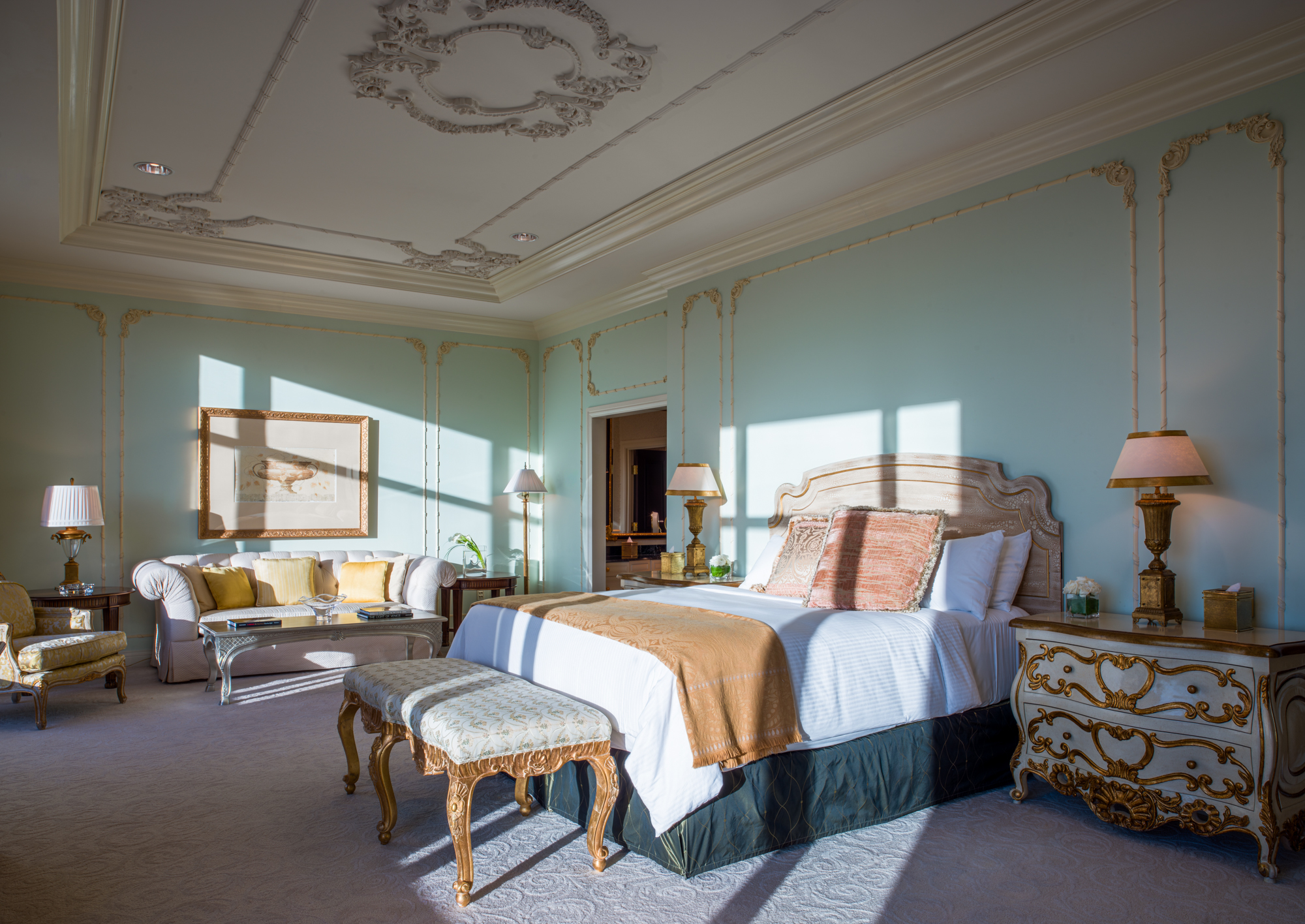
What AI Gets Wrong About Hospitality Photography
Why accuracy, context, and real-world experience still matter in how hotels present themselves
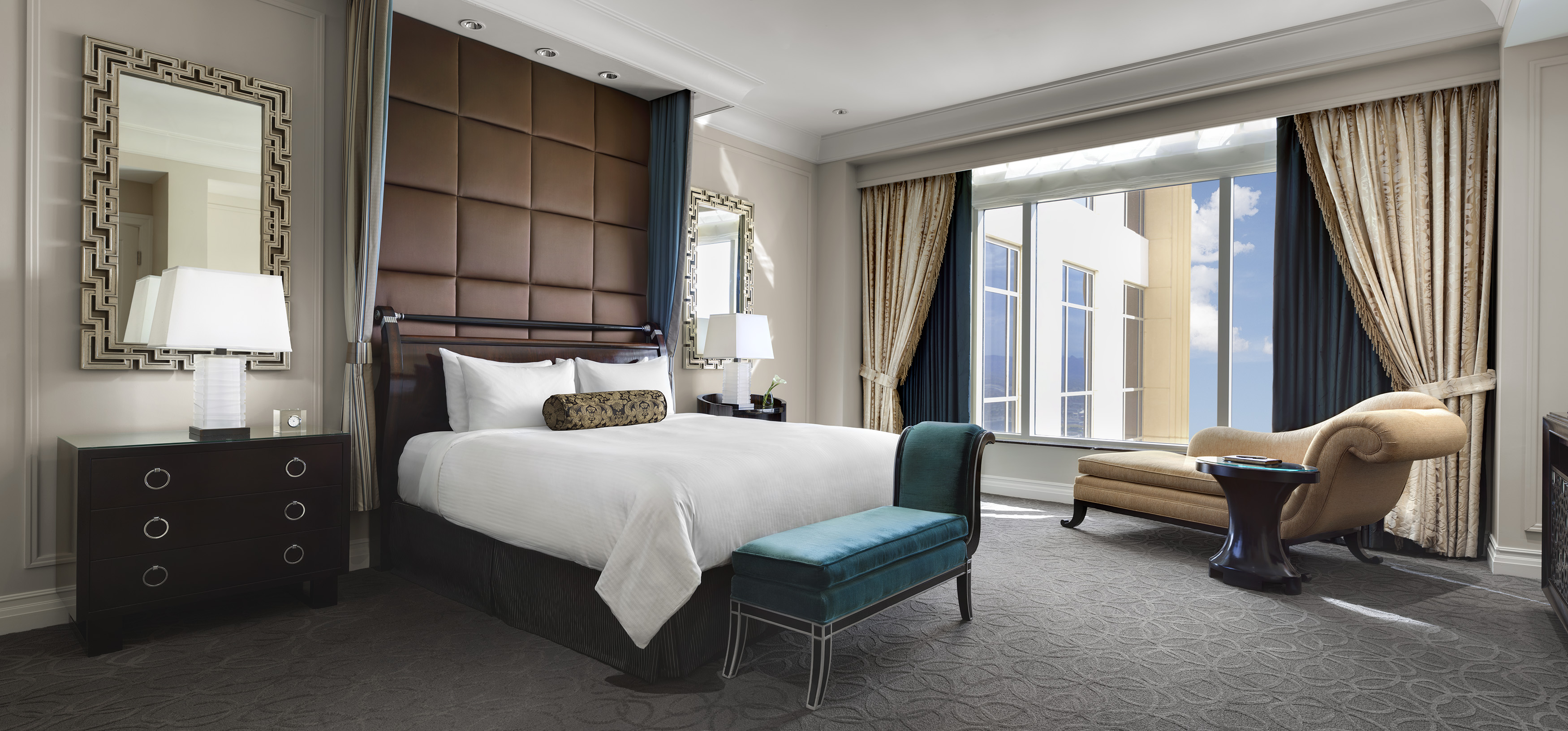
AI can generate convincing images of spaces that don’t exist. That doesn’t mean it understands how real spaces work.
In hospitality, photography isn’t just about making a space look appealing. It’s about representing a place accurately enough that a guest can trust what they’re seeing before they ever arrive.
That distinction matters. Hotels aren’t abstract environments. They operate in real time, with real constraints, real staff, and real guests moving through them. The photography has to reflect that reality while still presenting the space at its best.
The goal isn’t to make a space look better than it is. It’s to make it feel true to what a guest will actually experience.
The Problem with “Perfect” Images
AI-generated images tend to optimize for visual perfection.
Lines are flawless. Lighting is even. Materials are clean. Every surface appears untouched. On first glance, the result can feel polished and high-end.
The issue is that real spaces don’t behave that way.
Natural light shifts throughout the day. Materials respond differently depending on angle and exposure. Furniture layouts that look balanced in theory don’t always translate cleanly in practice. What feels believable in a real photograph often includes small imperfections that ground the image.
When those imperfections are removed entirely, the result can feel detached. Not necessarily unrealistic, but unrecognizable once someone is physically in the space.
Context vs Composition
A strong hospitality image does more than isolate a room. It explains how that room fits into the larger experience.
How do you arrive?
What surrounds the property?
How do spaces connect?
Where does light come from and how does it move?
AI can generate a convincing composition, but it doesn’t inherently understand context. It doesn’t know how a lobby relates to a guest room, or how a bar connects to a dining space. It can simulate an environment, but it doesn’t document one.
That difference becomes important when guests are trying to understand what they’re booking.
Trust and Booking Behavior
Hospitality photography plays a direct role in decision-making.
Guests rely on images to set expectations before they arrive. If the experience matches what they saw, trust is reinforced. If it doesn’t, even small discrepancies can create friction.
Images that feel overly idealized or disconnected from reality can lead to that mismatch. The space may still be good, but the expectation has already been set somewhere else.
That gap is where trust breaks down.
Operational Reality
Hotels don’t exist in a vacuum.
Rooms turn over. Staff move through spaces. Tables are reset. Lighting conditions change. Access shifts throughout the day. These factors influence how a space looks and how it’s photographed.
Real photography accounts for that. It works within those constraints while still producing clean, intentional images.
AI doesn’t operate within those conditions. It doesn’t account for how a space functions, only how it appears. That can lead to imagery that feels disconnected from how the property actually operates.
Where AI Has a Place
AI can still be useful when applied in the right context.
It can help visualize concepts during early planning. It can be used for layout exploration, mood direction, or placeholder imagery before a shoot takes place. It can even help communicate ideas more clearly in pre-production.
Where it becomes less effective is when it replaces the documentation of a real space.
Summary
Hospitality photography isn’t just about aesthetics. It’s about clarity, accuracy, and trust.
AI is effective at generating images that look convincing in isolation. What it lacks is an understanding of how real spaces function, how people move through them, and how those spaces are experienced over time.
That’s where photography still matters.
Not because it’s more complex, but because it’s accountable to something real.
.jpeg)