The Avery | Photographing a Property Shaped by History
Balancing architectural documentation with atmosphere, detail, and real use
Some projects are defined by scale. Others are defined by restraint. For The Avery, the objective was to produce a focused, usable image set built around room product, exterior context, and detail coverage, all supported by a dedicated scout and a tightly managed production day.
The Avery is a property built on history. Not in a superficial way, but in how the space has been preserved, adapted, and brought back into use over time.
Originally opened in 1910 as part of the Tiner Building, the property began as both a hotel and a “moving picture theater,” positioned as one of the most ambitious entertainment venues of its time. Over the decades, it shifted through multiple identities, from hotel to theater to department store to music venue, before eventually sitting partially dormant.
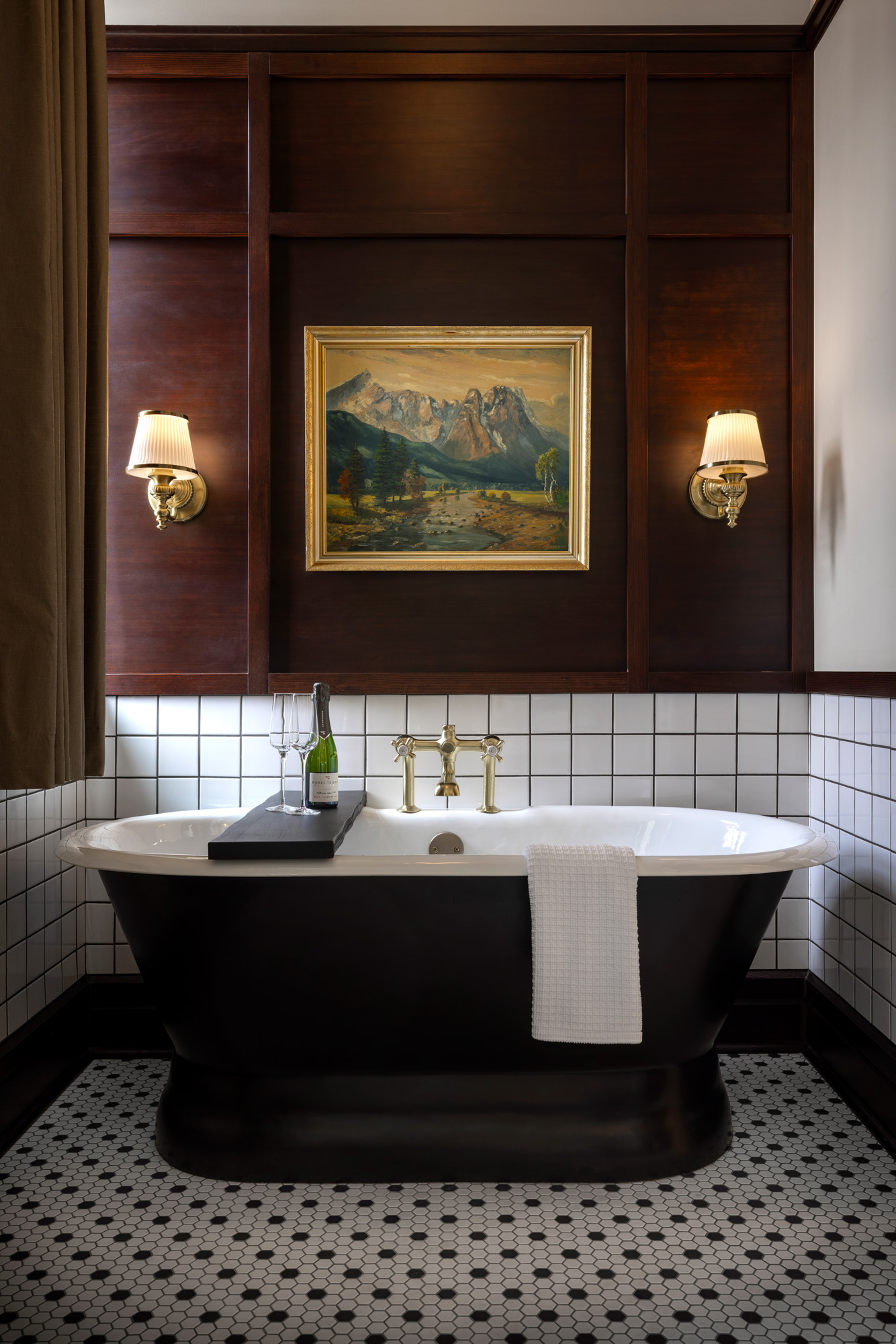
Today, it has been restored into a boutique hotel that blends those layers together. Original elements remain intact where possible, from guest room doors to architectural details, while new interventions introduce a more contemporary hospitality experience. The result is a space that feels grounded in its past without being defined by it.
When a property carries this much history, the goal isn’t to modernize it in the image. It’s to let that history come through clearly and honestly.
Pre-Production and the Scout
This was a project where the scout played a meaningful role.
Spending time on site ahead of production made it clear that the building wasn’t about uniformity. Each space carried slight variations, shaped by the structure itself and the way it’s been restored.
The scout allowed me to understand how the rooms translated on camera, how light moved through the space, and which areas would benefit from a more deliberate approach. It also helped identify small inconsistencies that could be resolved ahead of time, from bedding and styling to minor visual distractions.
Because the building has evolved over time, those details mattered. The goal wasn’t to remove character, but to keep it from becoming noise in the frame.
Guest Rooms: Consistency Within Variation
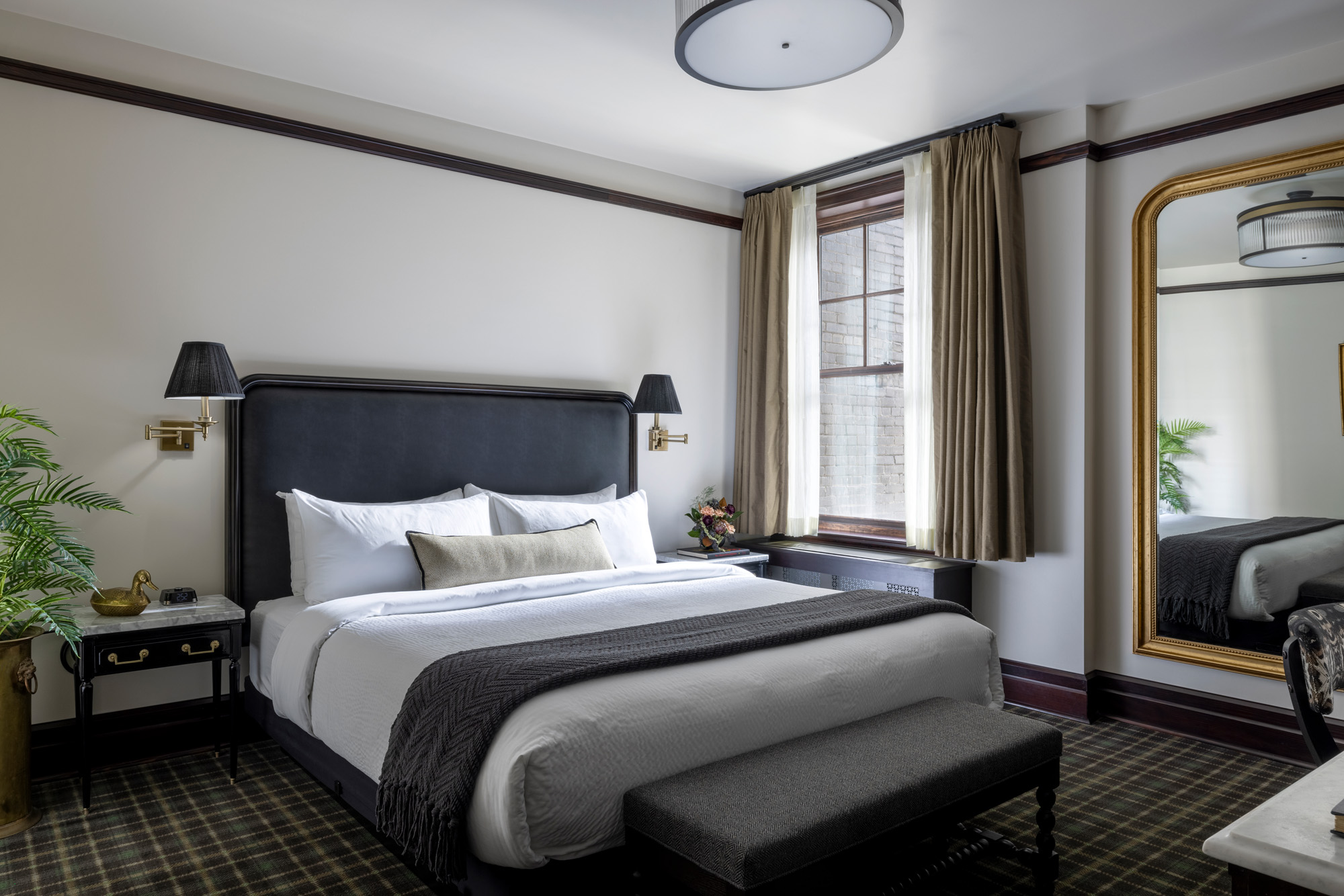
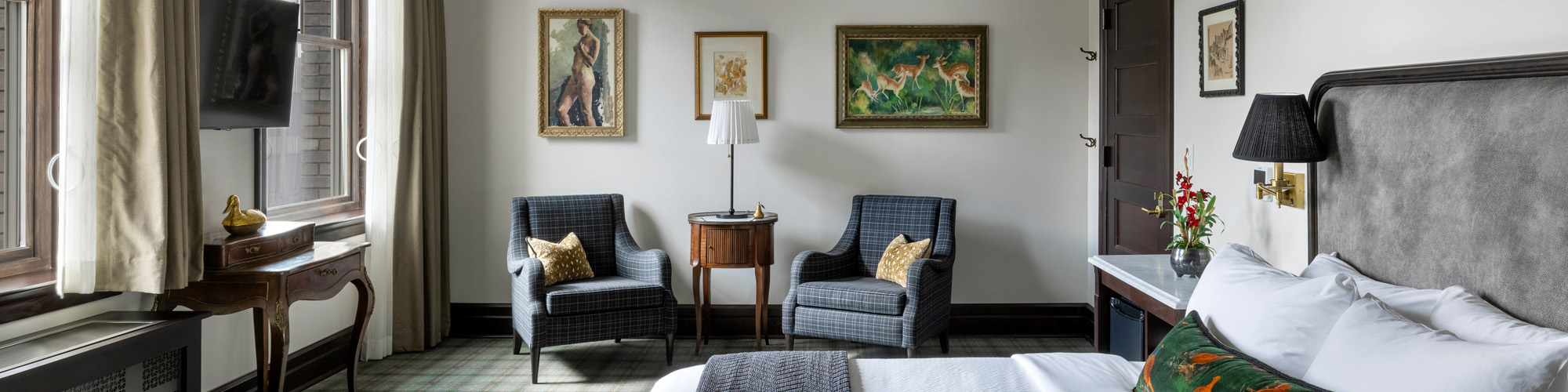
The primary focus of the shoot was room product.
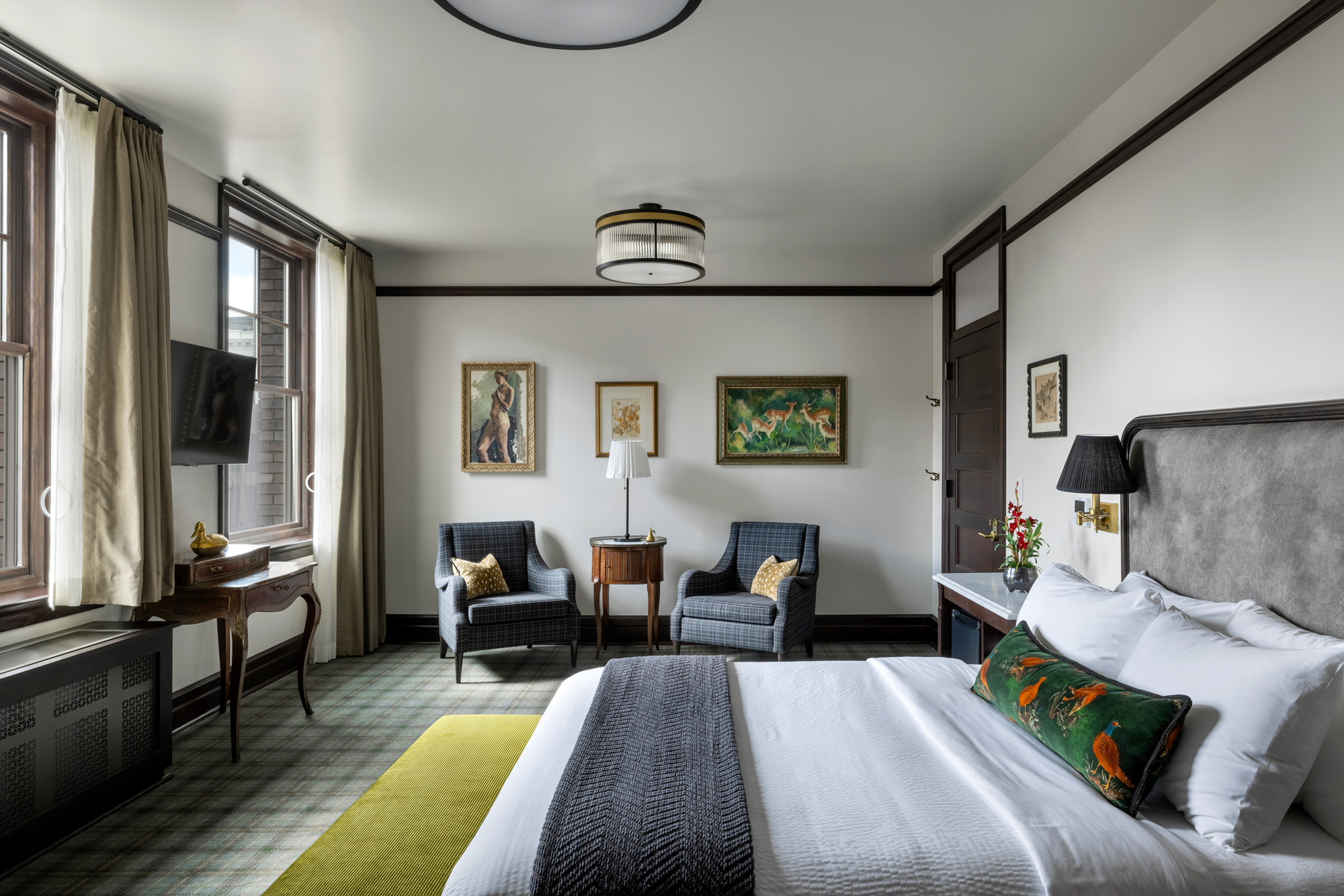
Guest rooms needed to feel clear, usable, and consistent, even though they weren’t identical. The structure of the building naturally introduces variation, so the photography had to create alignment without forcing uniformity.
Camera height, lens choice, and composition were kept consistent to establish a visual baseline. Within that framework, the individuality of each room was allowed to come through.
There’s a balance here. Too much consistency flattens the space. Too little and the set starts to feel disconnected. The goal is to hold both at the same time.
Exterior Coverage
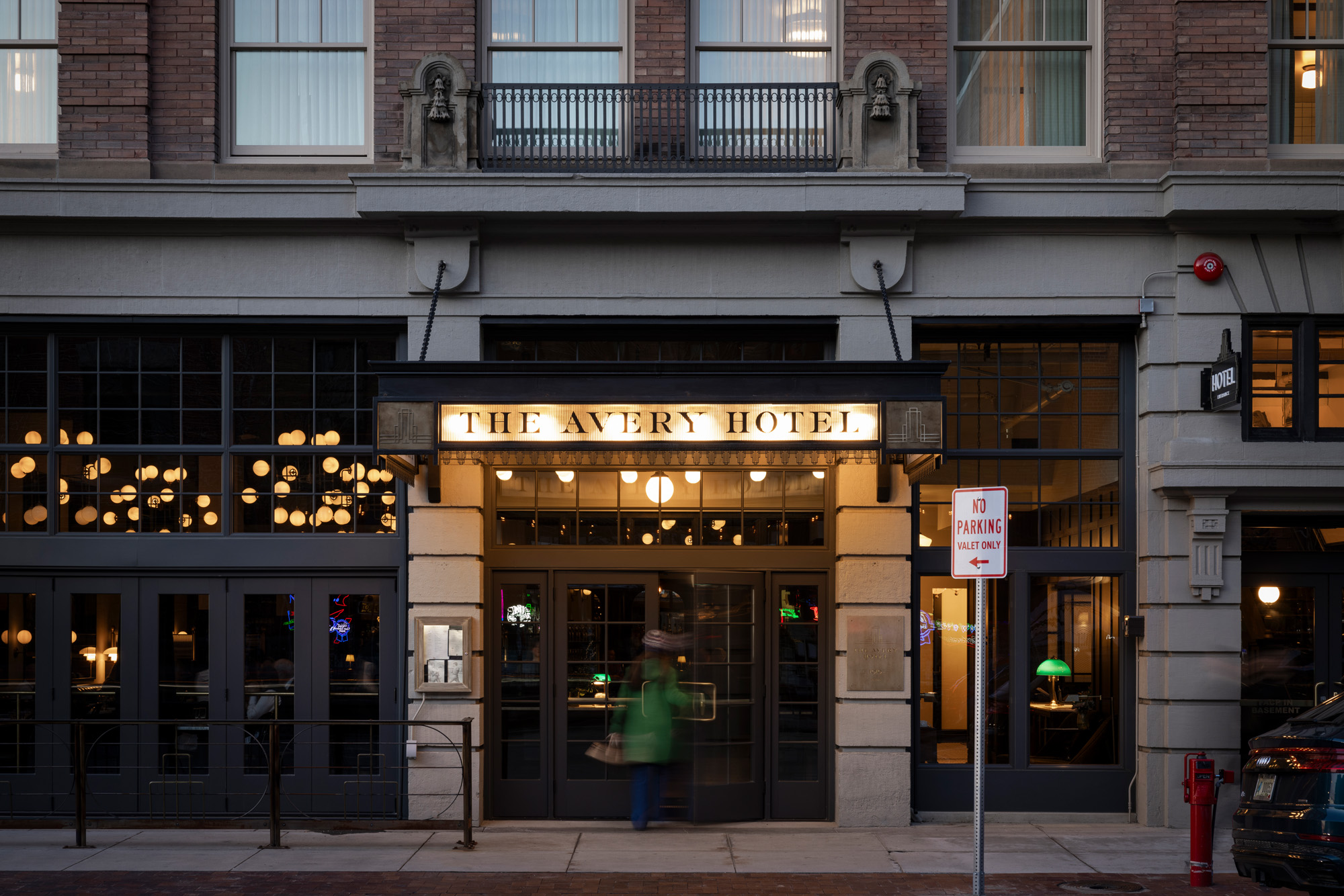
A small set of exterior images helped anchor the property in its surroundings.
The Avery sits within a part of downtown Boise that has its own history and character. The exterior images weren’t about creating something dramatic, but about showing how the building presents itself and how a guest might experience arrival.
Timing was kept simple and efficient, working these images into the broader schedule without overcomplicating the production.
Details and Atmosphere
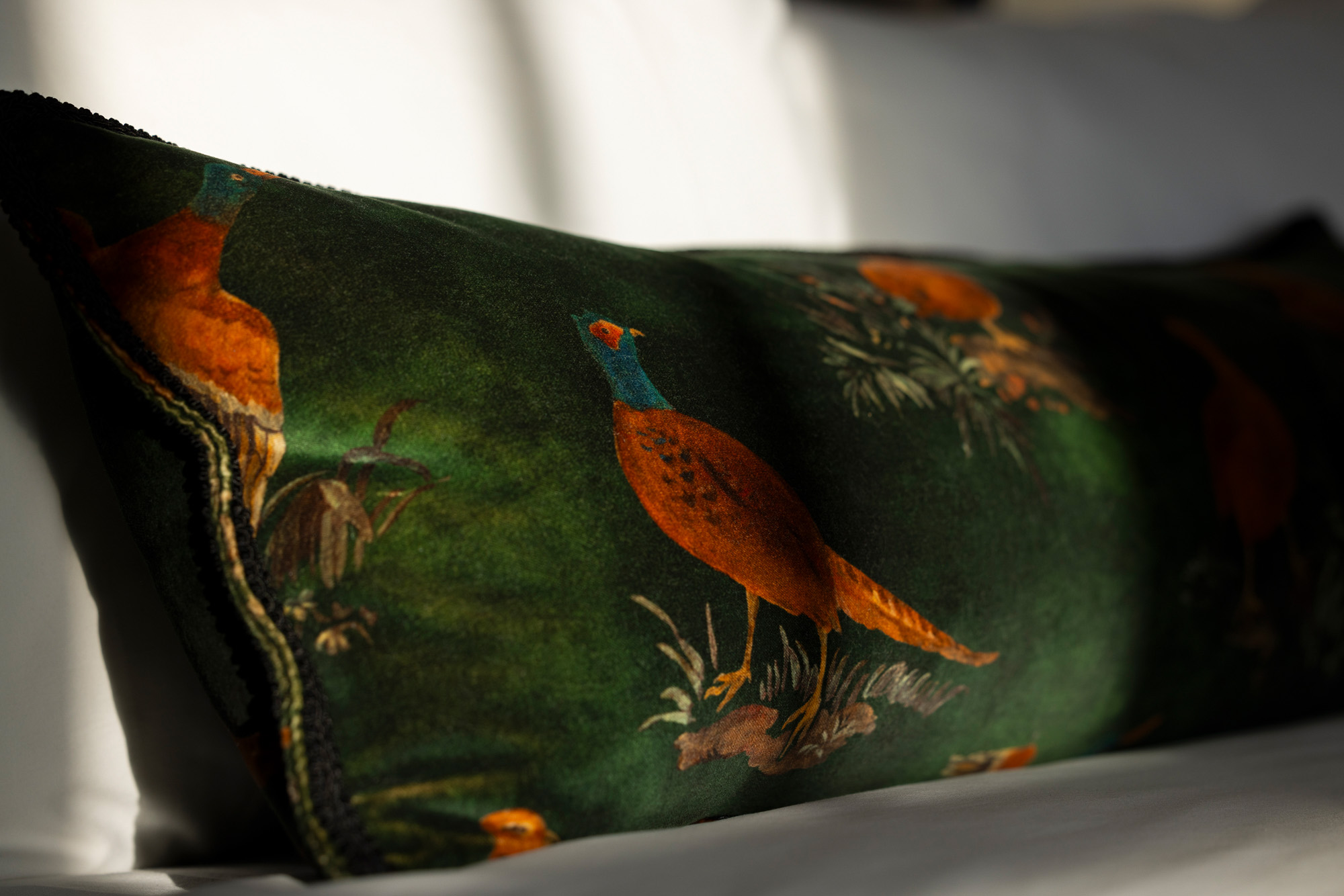
A portion of the shoot focused on details throughout the property.
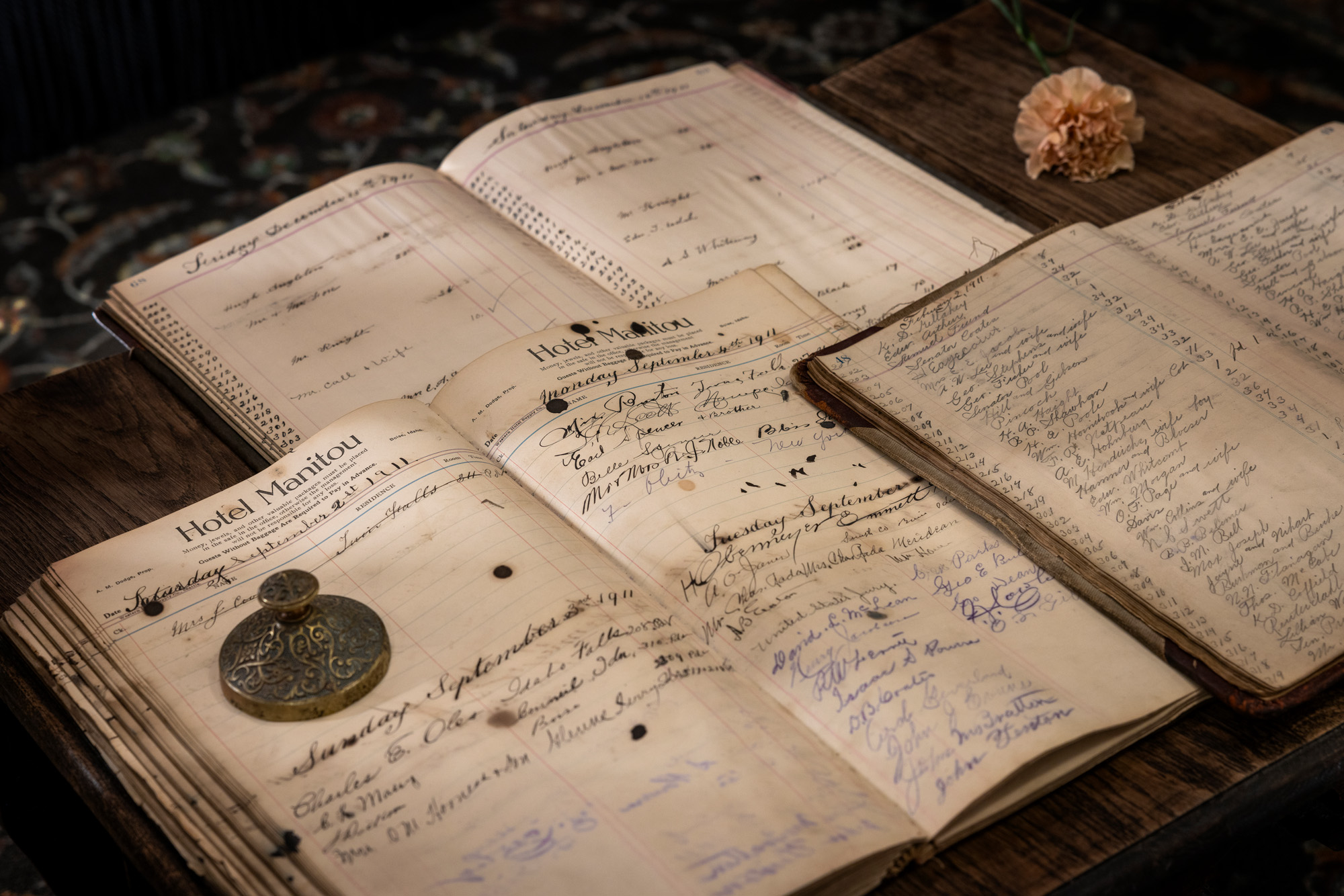
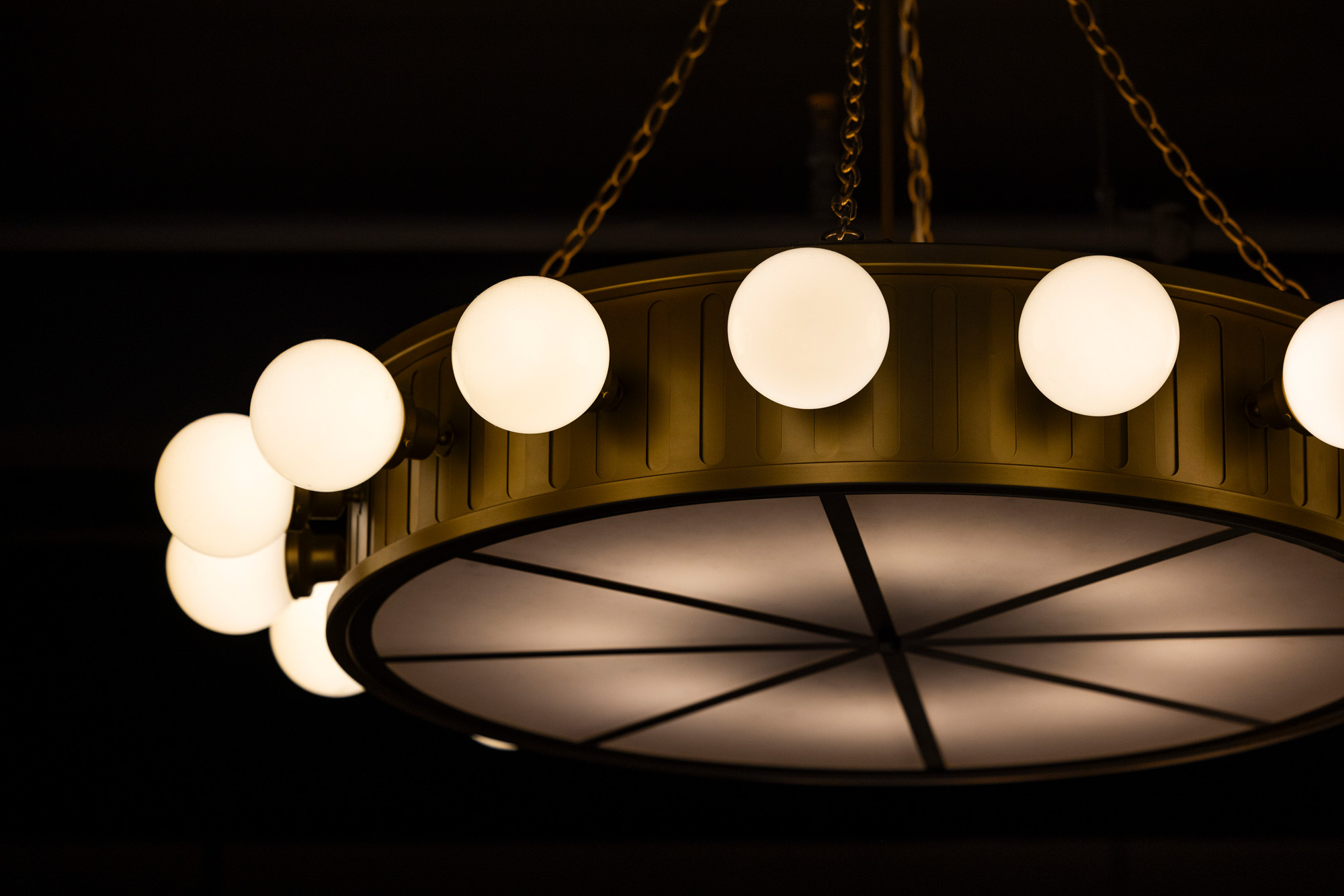
Original materials, restored elements, and small design moments that reflect the building’s history. These aren’t images that define the layout, but they do define the feeling of the space.
In a property like this, details carry weight. They connect the present experience back to the building’s past without needing explanation.
Working Within a Tight Scope
With a focused shot list, pacing becomes important.
There’s enough time to be deliberate, but not enough to overwork each frame. The scout removed most of the uncertainty, which allowed production to stay efficient and controlled.
Decisions had already been made. The day became about execution.
A Cohesive Set
The final image set is intentionally restrained.
Clear room photography that supports booking and marketing needs. Exterior images that establish context. Detail images that add depth and flexibility.
Each image has a role, and none of them compete for attention.
Summary
The Avery is a property shaped by time.
The photography doesn’t need to reinterpret that. It needs to reflect it clearly, without adding or subtracting from what’s already there.
When the history is strong, the work becomes less about creating something new and more about recognizing what already exists.