How Scouting Sets the Tone for a Successful Hotel Shoot
Why spending time on site before production day makes hospitality photography faster, more efficient, and more intentional.
Hospitality photography often looks calm and deliberate in the final images, but the reality behind the scenes is usually more dynamic. Hotels are constantly moving. Rooms turn over, staff circulate through spaces, guests pass through public areas, and light changes quickly throughout the day. Walking into that environment cold on shoot day usually means you’re already behind. A proper scout slows things down ahead of time so the production day itself can move quickly without sacrificing quality or coverage.
Why spending time on site before production day makes hospitality photography faster, more efficient, and more intentional.
Hospitality photography often looks calm and deliberate in the final images, but the reality behind the scenes is usually more dynamic. Hotels are constantly moving. Rooms turn over, staff circulate through spaces, guests pass through public areas, and light changes quickly throughout the day.
Walking into that environment cold on shoot day usually means you’re already behind. A proper scout slows things down ahead of time so the production day itself can move quickly without sacrificing quality or coverage.
Why Scouting Matters
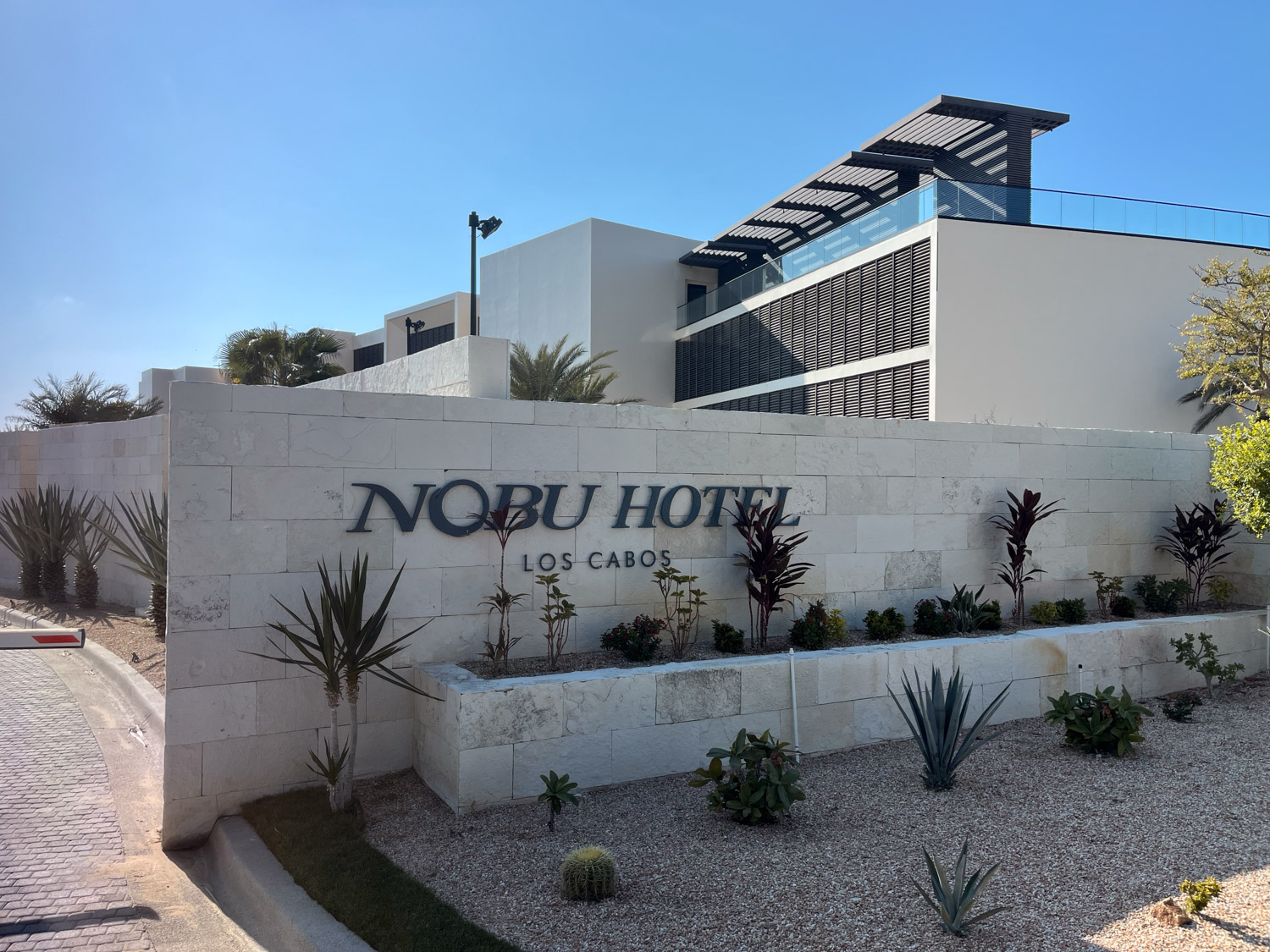
Before most hospitality shoots, I try to spend time on site with a camera in my hands, but without the pressure of making final images. Scout day isn’t about delivering photographs. It’s about understanding how a space behaves once it’s translated into a frame.
I’m exploring vantage points, testing rough compositions, and paying attention to how the environment functions. By the time production begins, the goal is to already know where the strongest images are likely to come from.
When that groundwork is done early, shoot days become less about finding the shot and more about executing it.
Understanding How the Property Works
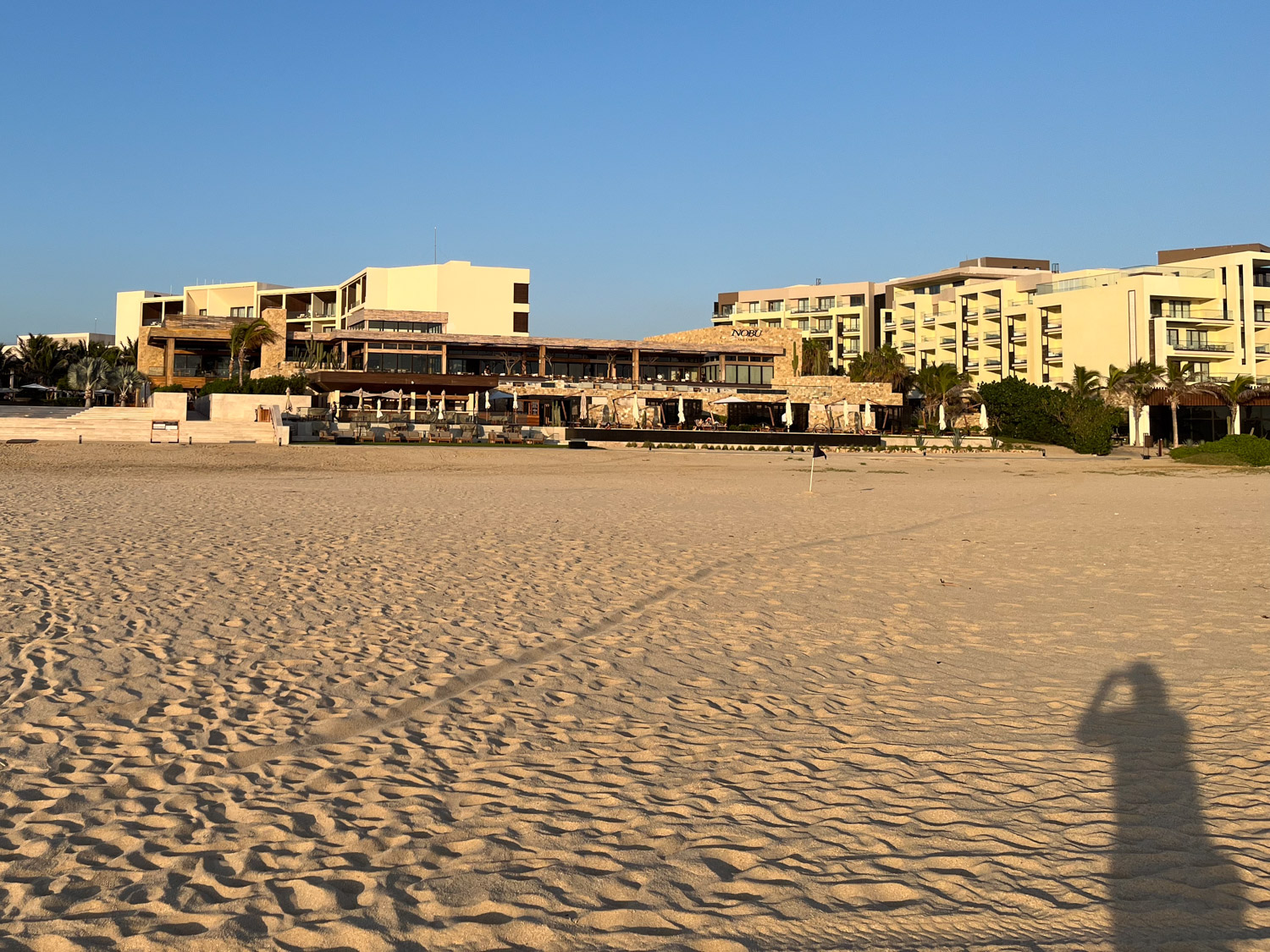
Hotels are living, breathing environments, and the way they operate has a direct impact on photography.
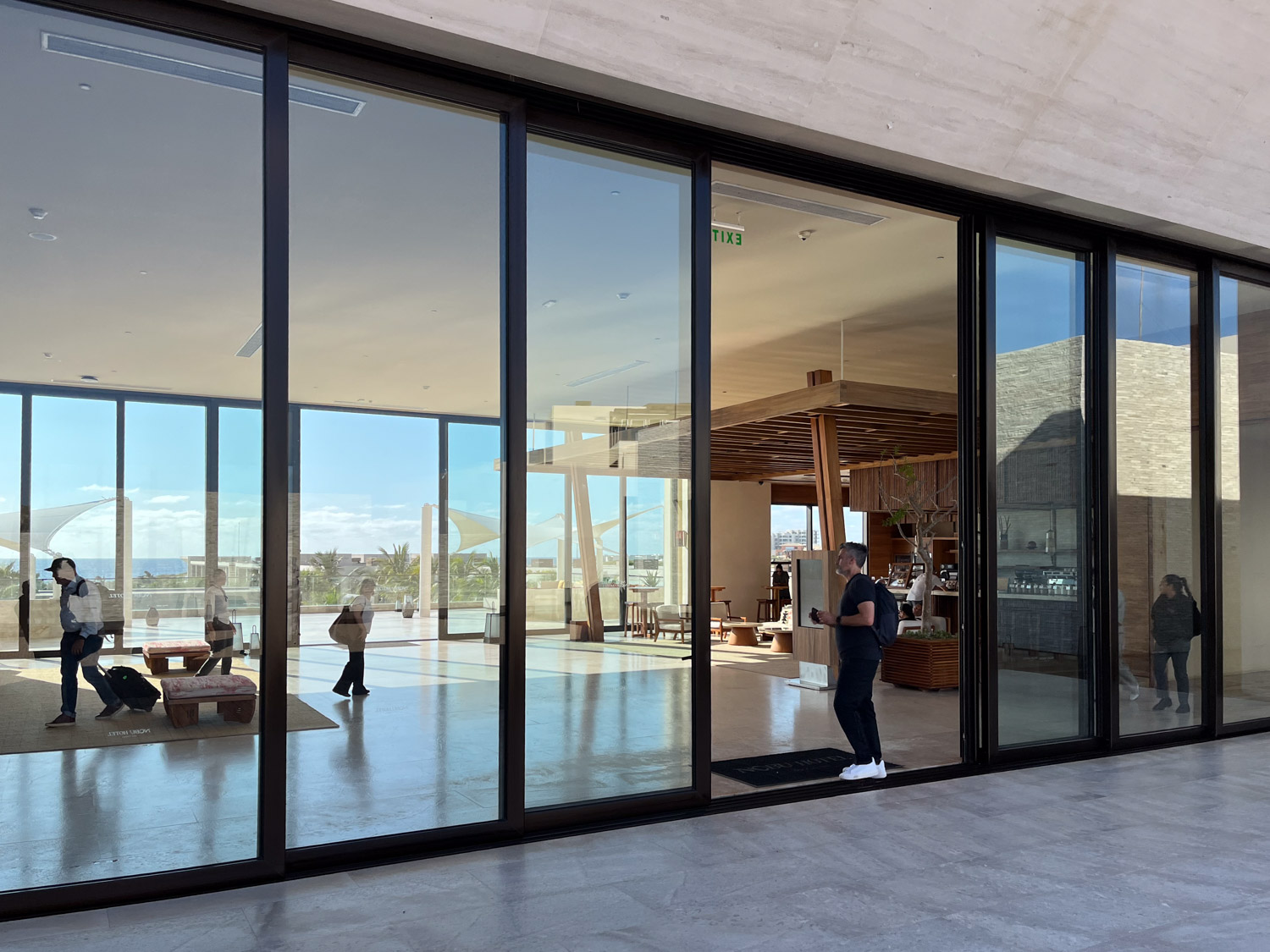
One of the first things I’m paying attention to during a scout is how people move through the property. Which areas stay active, which ones remain quieter, when rooms are serviced, and where staff naturally pass through. These operational rhythms rarely appear in the final images, but they shape how efficiently the shoot can unfold.
Understanding those patterns helps determine when a space is best photographed and when it’s likely to be interrupted.
Finding the Right Compositions
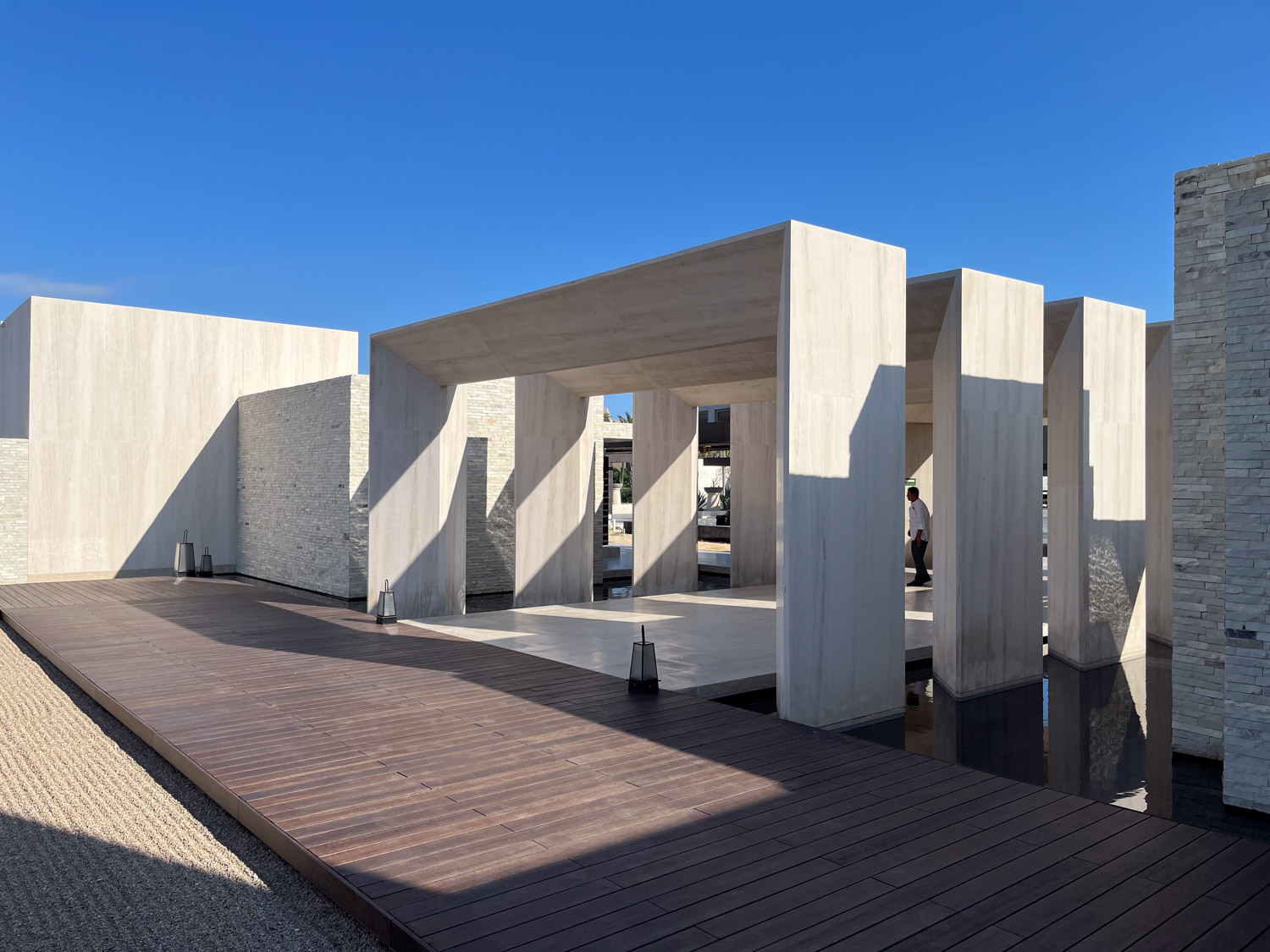
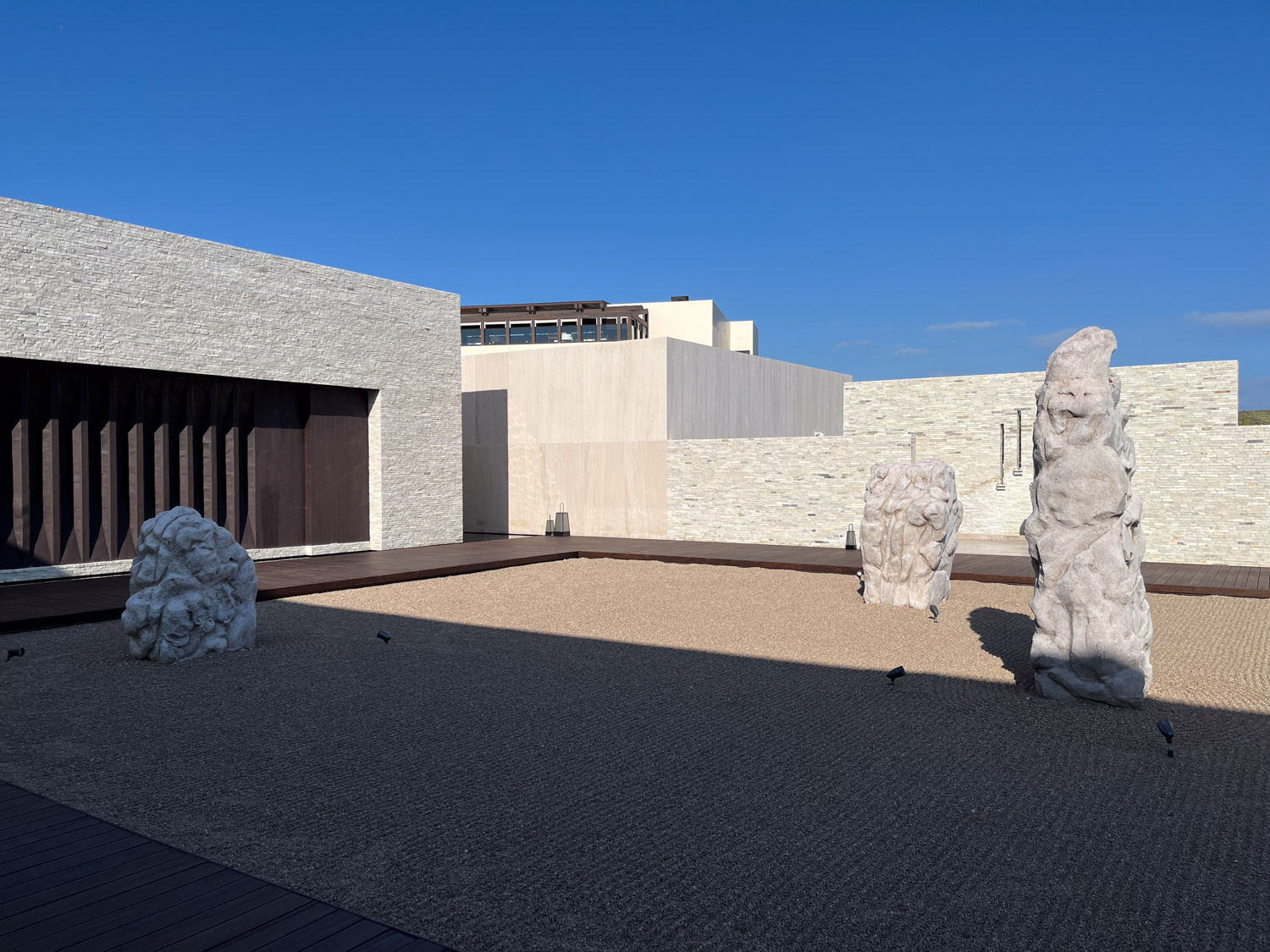
As I move through the property, I’m loosely framing potential compositions through the camera. I’m not worried about perfect light or polished styling yet. Instead, I’m looking at camera height, lens choices, and how different vantage points shape the scene.
Some angles feel obvious when you’re standing in a room but fall apart once you look through the lens. Others only reveal themselves once the camera enters the process. Identifying those strengths and weaknesses early removes a lot of guesswork later.
Scout day isn’t about capturing final images. It’s about removing uncertainty so production day can move quickly and deliberately.
Identifying Details That Need Attention
Scouting also helps identify which spaces may need additional styling or preparation before the shoot begins.
Sometimes the issues are subtle. Beds that aren’t made consistently, windows that need cleaning, or shelves that feel empty once they’re compressed into a frame. Other times the fix might be as simple as adding a book, adjusting a chair, or introducing a small decorative element that completes the composition.
Catching these details early allows them to be addressed before the schedule becomes tight.
Reading the Light
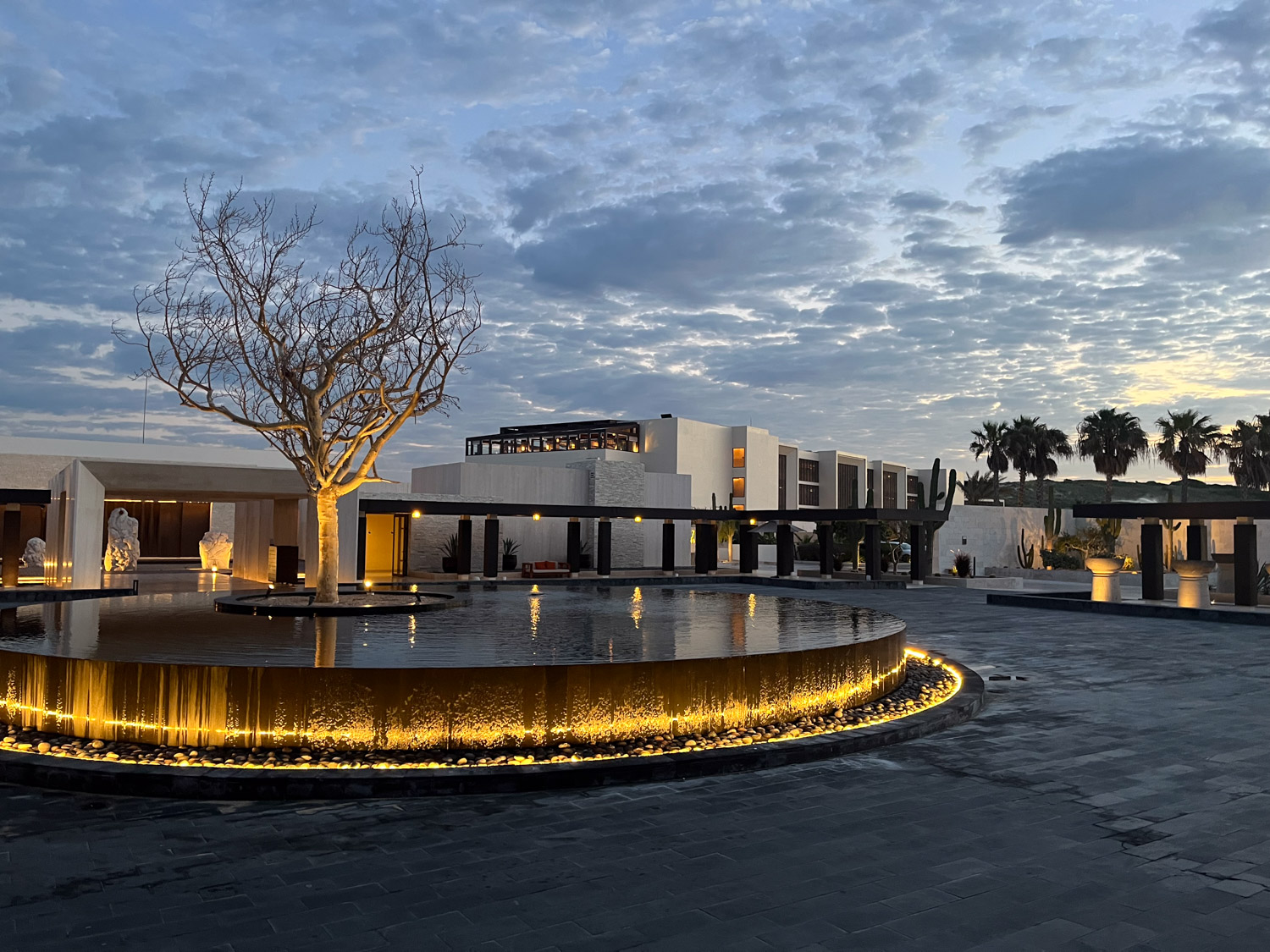
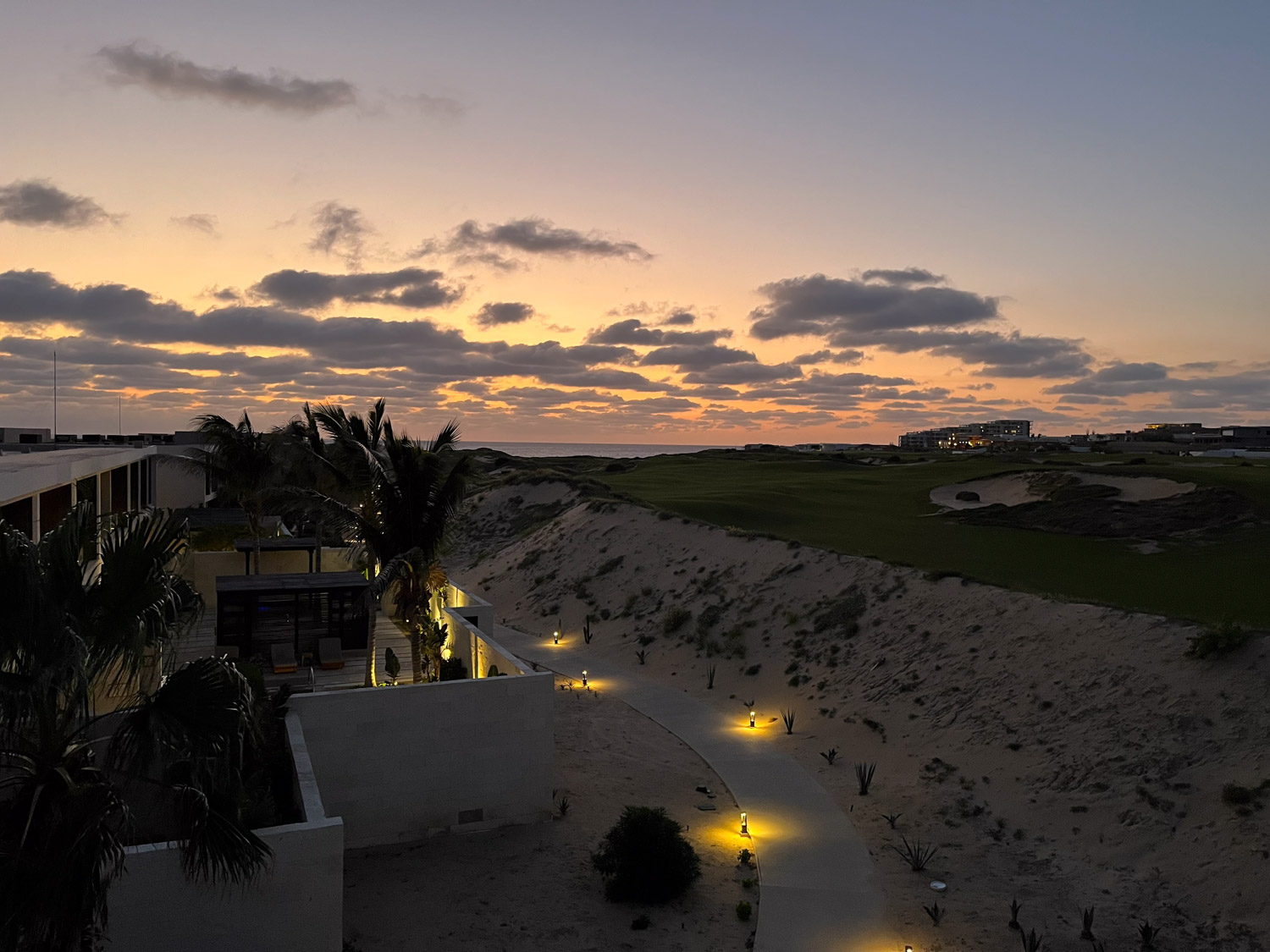
Light is often the primary reason I scout a property in the first place.
Orientation, window placement, and exterior conditions all influence how interior spaces photograph throughout the day. Some rooms look great for hours. Others have a narrow window where the light feels balanced before it becomes too harsh or disappears entirely.
The scout helps map those conditions so production can follow the natural rhythm of the light rather than fight against it.
Anticipating Problems Before They Happen
Most issues that appear during a shoot aren’t major problems, but they can slow the day down if they’re unexpected.
Mixed color temperatures, awkward reflections, cluttered sightlines, or furniture that reads differently on camera often reveal themselves quickly during a scout. The goal isn’t to eliminate every complication ahead of time, but to avoid being surprised by them when time matters most.
Planning the Flow of the Shoot
Once the space, light, and compositions are understood, it becomes easier to plan the sequence of the shoot.
Grouping rooms by orientation, minimizing backtracking through the property, and building buffer time into the schedule all come from the insights gathered during the scout. A thoughtful plan keeps the day calm and organized while still leaving room to adapt when conditions inevitably change.
When Scout Days Create Unexpected Images
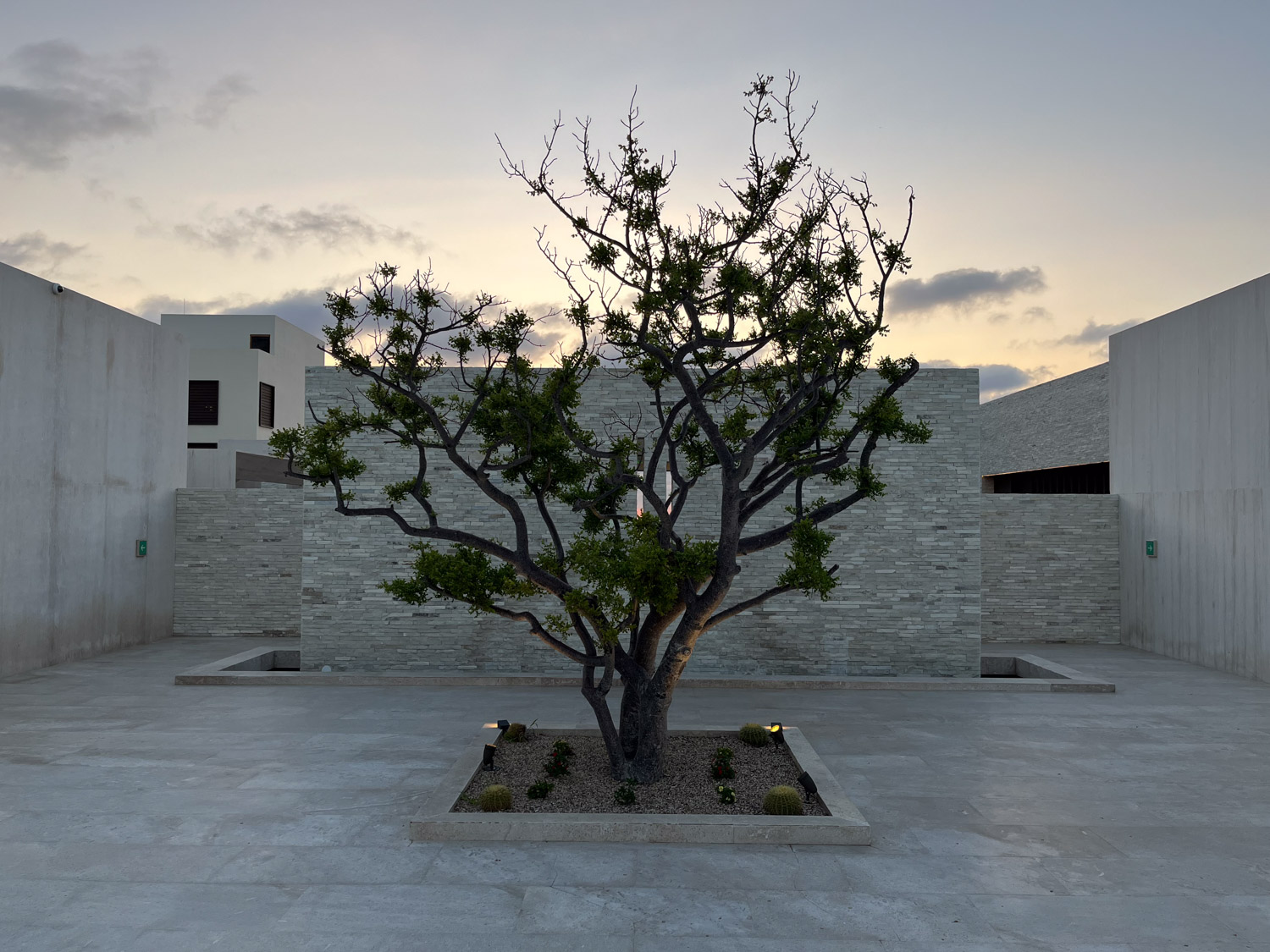
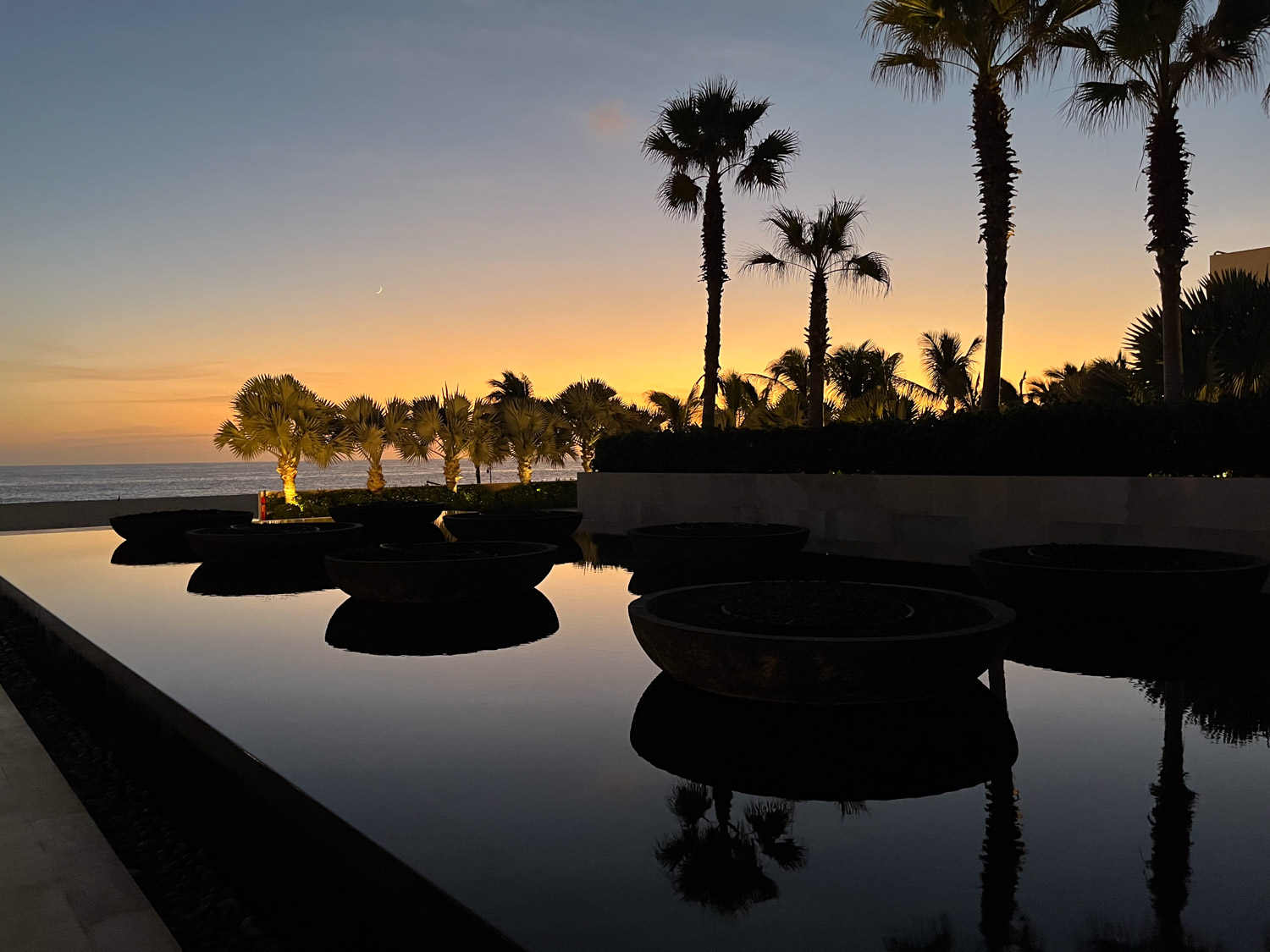
Scout days aren’t intended to produce final photographs, but they sometimes do.
Without the time pressure of a production schedule, there’s occasionally room to experiment with an idea or composition that might not be possible during the main shoot. Those moments can sometimes shape the final direction of the work in ways that weren’t originally planned.
The Takeaway
When a scout is done well, production days feel quieter and more deliberate. Decisions happen faster because they’ve already been considered. There’s less second guessing, fewer compromises, and more time to focus on details that elevate the final images.
Not every project requires the same level of scouting. Smaller assignments or repeat locations may rely more heavily on experience. But for larger properties, design-driven hotels, and projects that depend heavily on natural light, the time spent scouting consistently pays off.
For me, scouting isn’t about locking a shoot into a rigid plan. It’s about understanding the space well enough to stay flexible when the day begins. The better I know the environment ahead of time, the easier it is to move quickly, maintain quality, and deliver the coverage the project requires.