How I Balance Quality and Coverage on a Hotel Shoot
Finding the right balance is less about working faster and more about working deliberately.
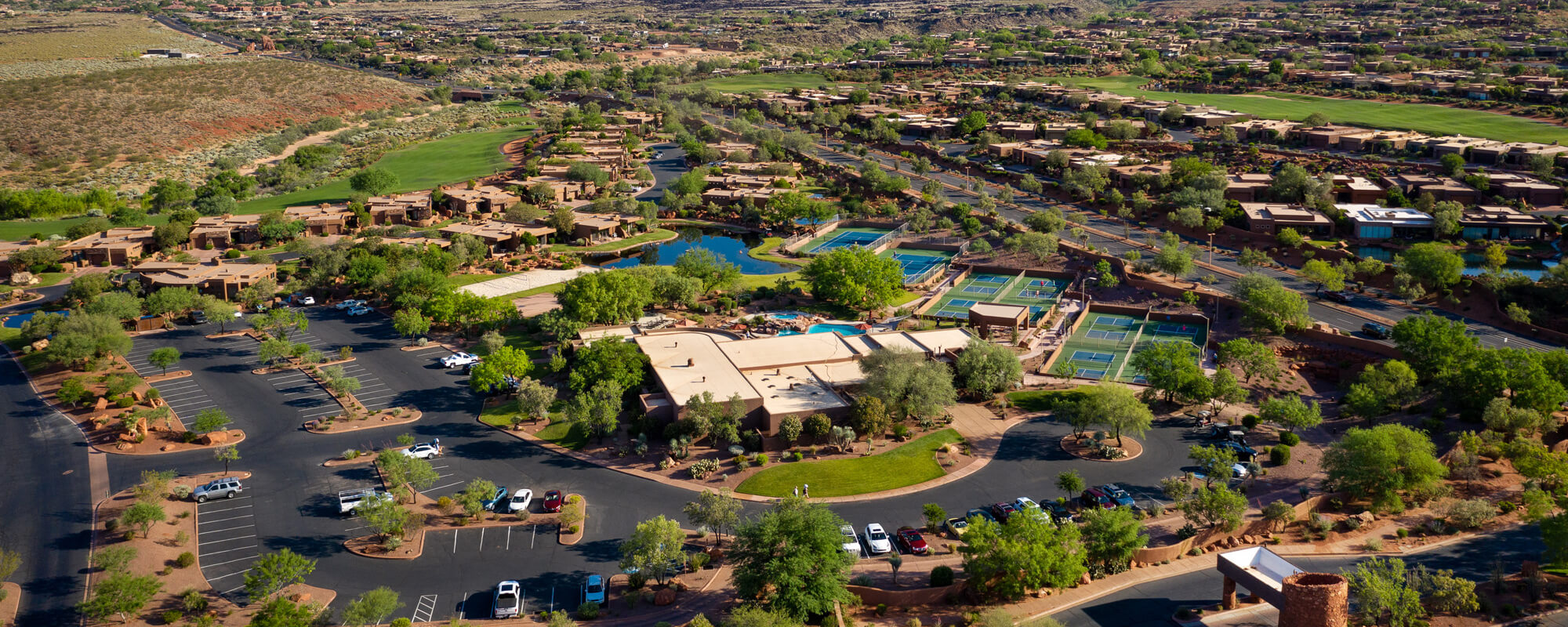
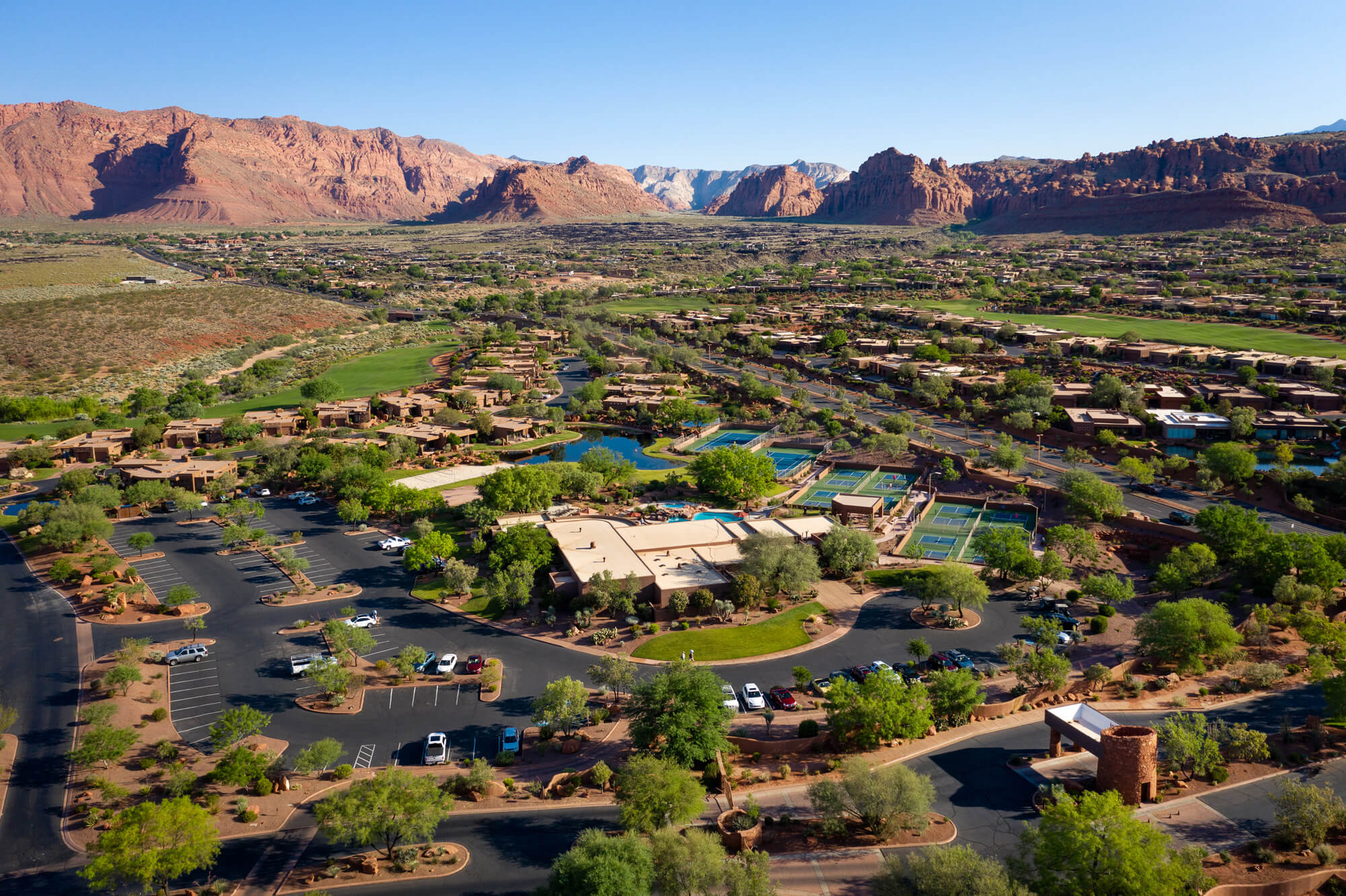
One of the biggest challenges in hospitality photography is balancing quality and coverage. On shoots that are primarily architectural in focus, clients still need enough images to properly represent a property, but they also need those images to feel intentional, polished, and true to the experience. Too much emphasis on coverage and the work feels rushed. Too much focus on perfection and you risk missing key spaces or moments that help round out the story.
Pre-Production: Where the Real Work Begins
This work starts well before the camera comes out on production day. Pre-production is where priorities are clarified and expectations are aligned. Based on conversations with the client, intended usage, and the scope of the project, I already have a clear sense of which spaces and moments carry the most importance and where the emphasis needs to be. Architectural spaces might anchor the story, while food, lifestyle, or service moments help bring it to life.
The Scout: Shaping the Execution Plan
In most cases, the scout happens the day before the shoot and serves a different purpose. The scout is about confirming rough compositions, understanding how each space actually reads on camera, and determining when it makes the most sense to tackle each area based on light, activity, and access. For food and lifestyle coverage, it's also about understanding flow: when a space feels active, when staff is available, and when moments are likely to feel natural rather than staged. Rather than redefining priorities, the scout helps shape the plan for executing them efficiently on shoot day.
By the time production begins, the big decisions have already been made. That preparation removes a lot of guesswork and allows me to move efficiently on the day without sacrificing quality, whether I'm photographing a carefully designed interior or a more fleeting lifestyle moment.
The goal isn't to document every corner of a room or every item on a menu, but to choose details and moments that actually add meaning. When those images are intentional, they elevate the overall set. When they're excessive, they tend to dilute it.
On Set: Choosing the Right Compositions
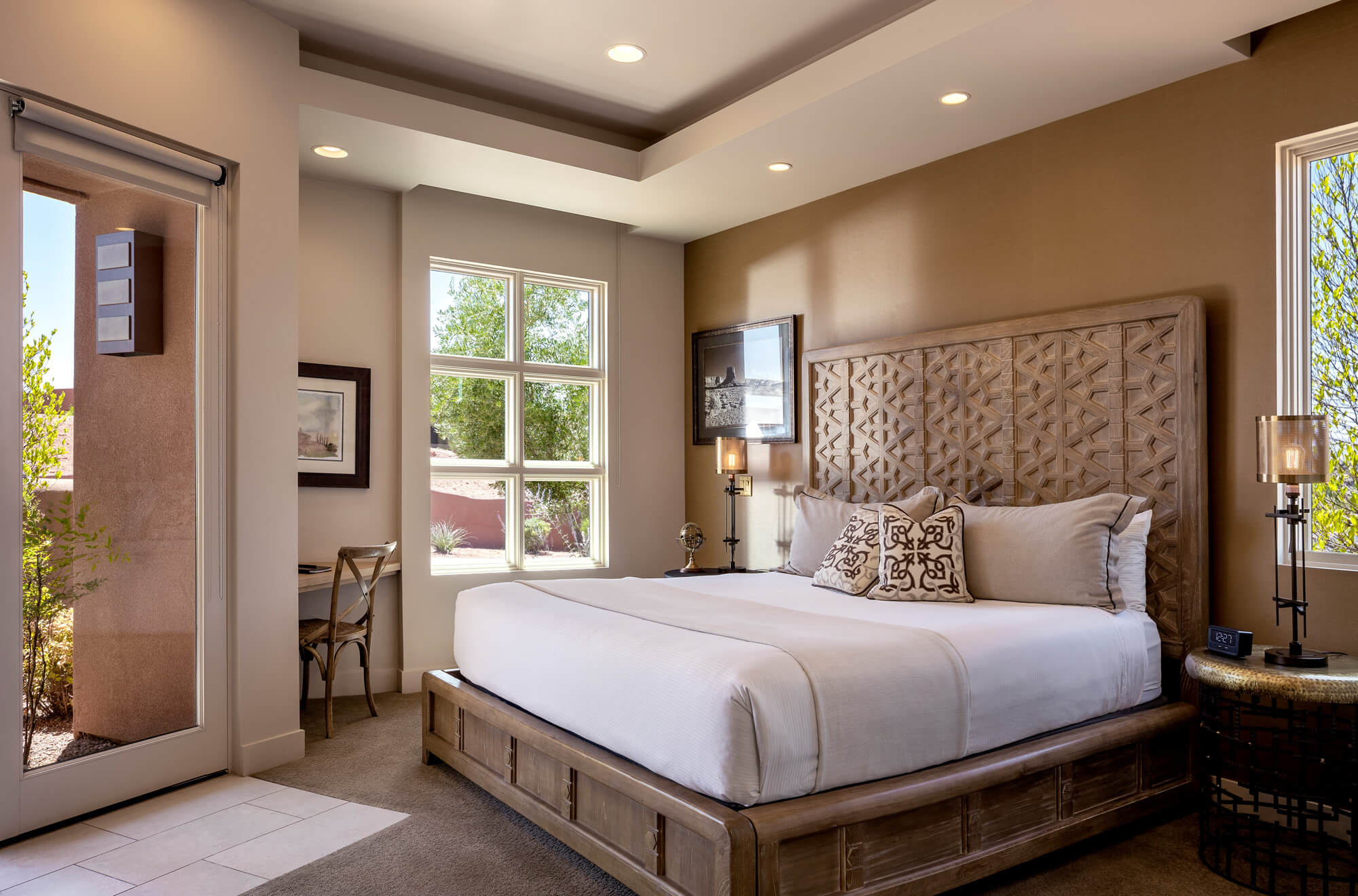
On set, quality doesn't mean obsessing over every possible angle. It means choosing the right primary composition and executing it well. Most architectural spaces only need one or two strong, foundational images to clearly communicate the design and layout. From there, I'll usually complement those wider frames with a handful of tighter compositions and a few very focused detail images.
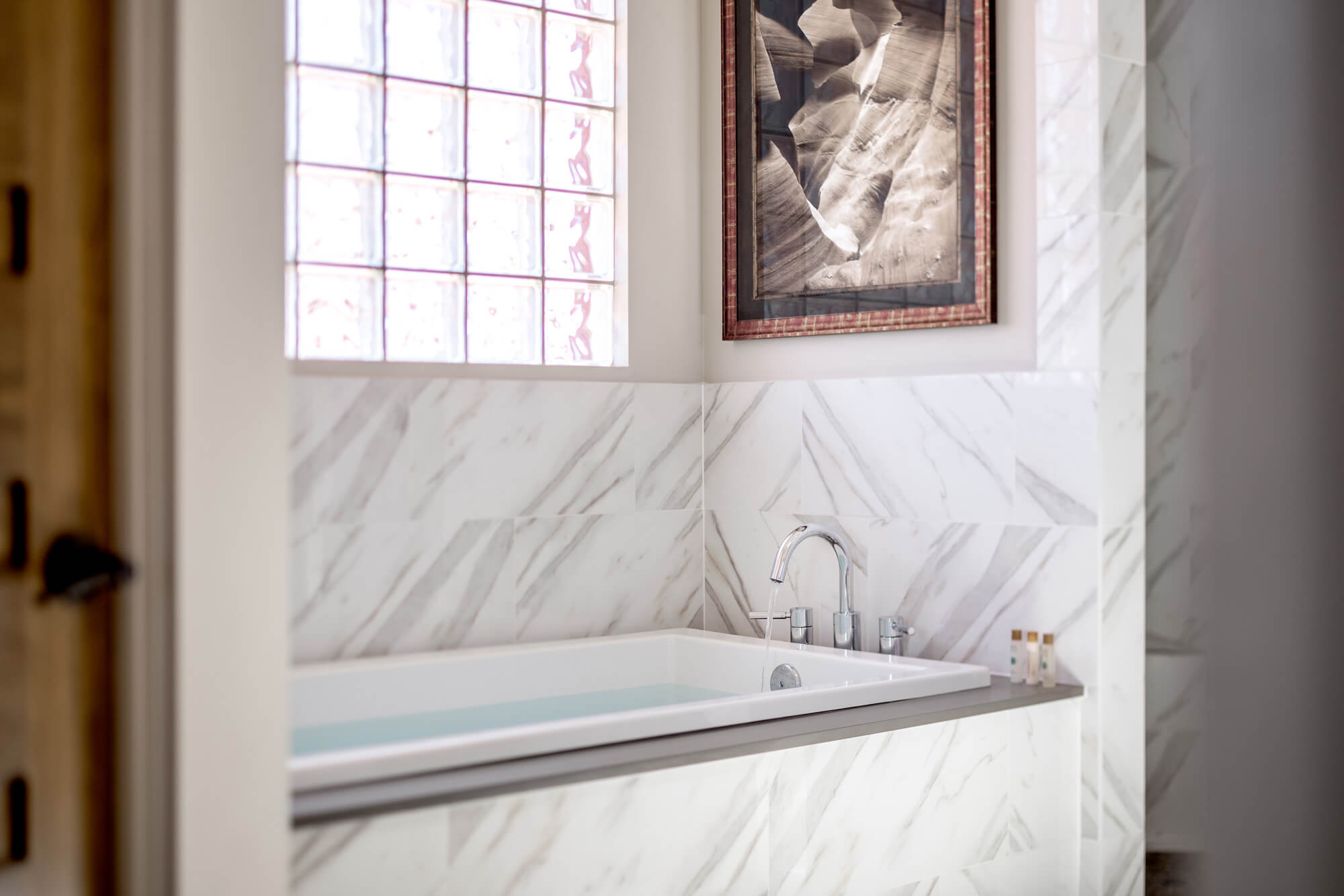
Those tighter frames are often where personality shows up:
- A piece of custom furniture
- A material transition
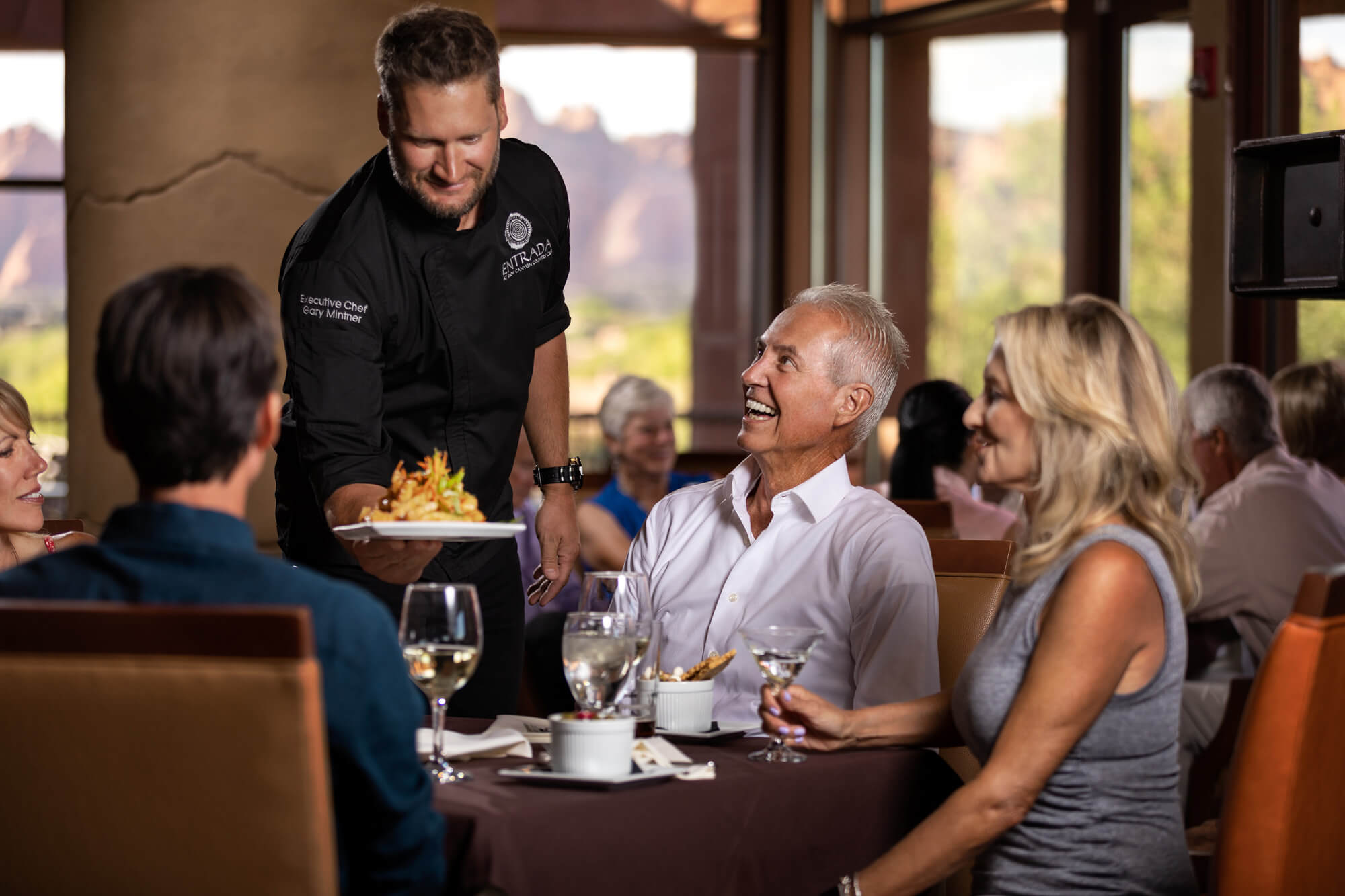
- A plated dish
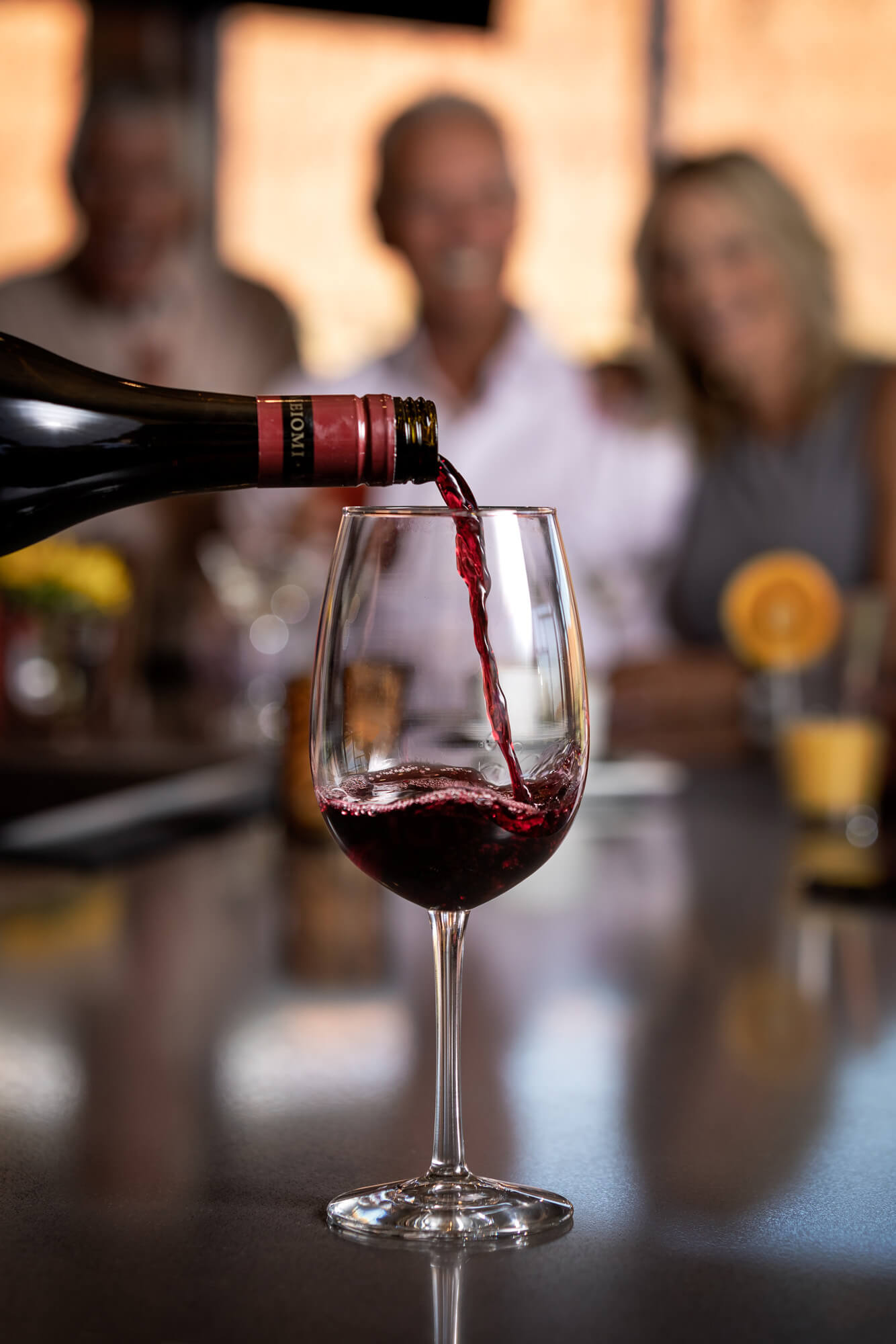
- A cocktail on the bar
- A small interaction between guests
These images don't replace the hero shots, but they add texture and depth to the final edit. They give the client flexibility and help round out the visual story without overwhelming it.
Pace, Details, and Knowing When to Stop
Pace plays a big role in maintaining that balance. Architectural spaces often benefit from a slower, more deliberate approach. Food and lifestyle moments usually require the opposite. Knowing when to slow down and when to stay light on your feet is what keeps the day moving without sacrificing consistency.
Details are often where quality lives, but they don't always require extra time. Straightening a chair, adjusting curtains, refining a plate, or checking reflections can usually be handled quickly when you know what to look for. These small checks make a noticeable difference without slowing the shoot to a crawl.
Another important part of balancing quality and coverage is knowing when to stop. There's a point where a shot is done, even if there's time to keep tweaking. Recognizing that moment keeps the day moving and helps maintain consistency across the final set.
Working on Active Properties
Hotels don't pause operations for photography. Rooms turn over, meals are served, guests move through spaces, and conditions change constantly. Being efficient and decisive keeps the shoot running smoothly and minimizes disruption, which benefits everyone involved.
The Takeaway
At the end of the day, the goal isn't to maximize the number of images or chase perfection in isolation. It's to deliver a set of photographs that feels complete, intentional, and useful across all areas of the property. When quality and coverage are in balance, the images work together to tell a clear, cohesive story without feeling rushed or overworked.
That balance doesn't happen by accident. It comes from planning, experience, and making thoughtful decisions about where time and attention are best spent.