Behind the Scenes: Photographing Iconisus Forged Wheels
Building a controlled on-location studio to photograph highly reflective products with precision, symmetry, and consistency.
Product photography often looks simple in the final image. In reality, that simplicity is the result of carefully controlling everything the product reflects.
Photographing reflective objects introduces a different level of complexity compared to most subjects. Chrome and high-gloss finishes don’t just respond to light, they mirror their entire environment. Every stand, surface, and movement has the potential to show up in the final image.
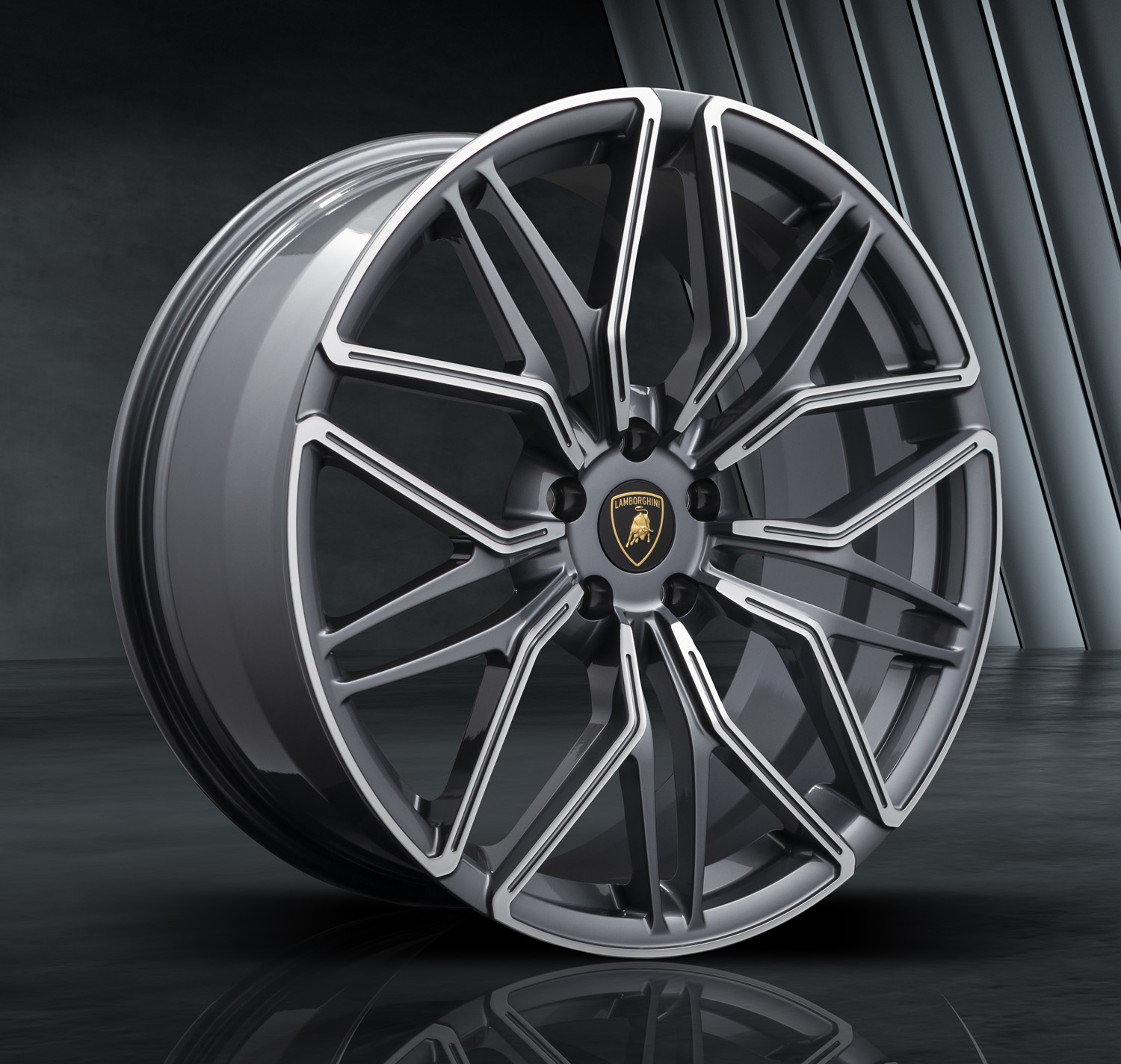
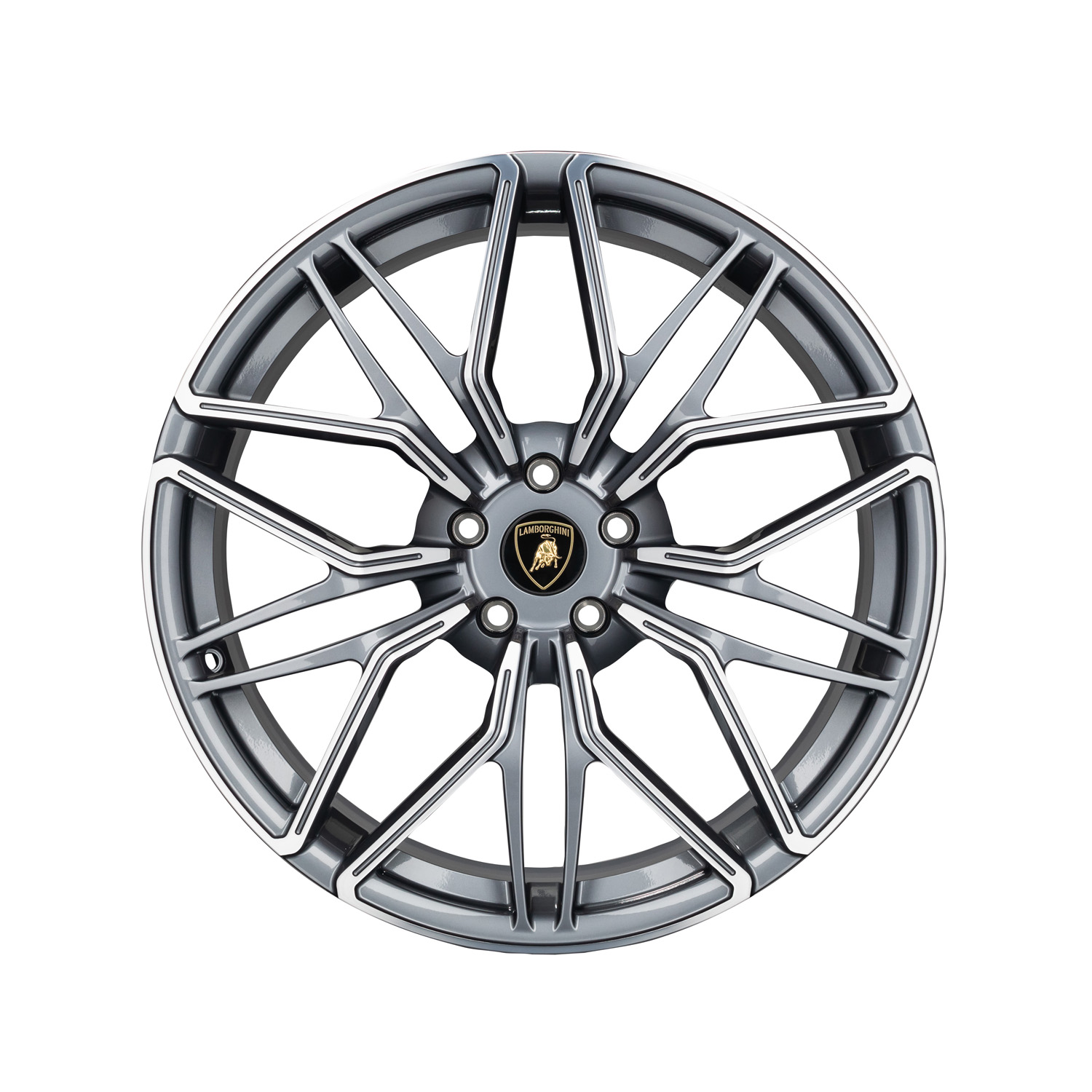
For this production with Iconisus Forged Wheels, the goal was to photograph an entire lineup of forged aluminum wheels for their retail and marketing use. The images needed to be clean, consistent, and flexible enough to be used across multiple platforms.
Achieving that meant building a controlled environment around each product before the first frame was captured.
When you’re photographing reflective products, you’re not just lighting the object. You’re shaping everything the object reflects.
Building a Studio on Location
Rather than working in a traditional studio, this shoot took place inside the company’s corporate office.
To make that possible, a full tabletop studio was built around each wheel. Large diffusion panels, carefully positioned lights, and a neutral background created an environment that could be tightly controlled.
Reflective surfaces behave like mirrors. They pick up everything around them, including elements that aren’t intended to be part of the image. The goal wasn’t just to light the product, but to create an environment that produced clean, intentional reflections while keeping everything else invisible.
Precision and Symmetry
With highly polished surfaces, even small inconsistencies become noticeable.
If highlights don’t match from side to side, or if reflections fall unevenly across the surface, the product can appear distorted or unbalanced. To avoid that, the lighting setup was built with strict symmetry.
Large, even light sources were positioned on both sides of the set so reflections would mirror each other across the wheel face. Once that balance was established, maintaining it became the priority for the rest of the shoot.
Shooting Tethered
For this type of production, shooting tethered is essential.
Each frame was captured directly into a laptop and reviewed immediately at full size. A digital technician worked alongside me throughout the day, checking focus, reflections, and symmetry as each image came in.
This extra layer of review helps catch small inconsistencies early, when they’re still easy to correct. With reflective products, those small details make a significant difference.
Moving Through the Production
The scope for the day was straightforward but demanding. Photograph 18 wheels in a single production day.
For each design, we captured two primary hero angles along with two detail shots highlighting specific features. Those details, machining patterns, spoke geometry, and finish variations, are often what distinguish one wheel from another.
Efficiency was important, but consistency mattered more. Every wheel needed to feel like part of the same visual system so the images could live together seamlessly across the brand’s website and marketing materials.
Because everything was photographed on a clean background, the final images could be easily extracted and adapted for different uses.
An Ongoing Collaboration
This project marked the beginning of an ongoing working relationship with Iconisus.
I first started working with the company in 2021, and since then have completed multiple production shoots as their product line has grown. As new designs are introduced, maintaining a consistent photographic approach ensures that each new addition integrates smoothly into the existing catalog.
For a brand built around craftsmanship and design, that consistency becomes part of how the product is perceived.
Summary
Photographing reflective products is less about reacting in the moment and more about building the right environment ahead of time.
Once that environment is established, the process becomes a balance of precision and efficiency. The lighting stays consistent, the reflections stay controlled, and the focus shifts to executing each variation cleanly.
The final images are intentionally simple. Clean lighting, balanced reflections, and a clear presentation of the product.
What they don’t show is the level of control required to get there.