Behind the Scenes: Photographing Houston TX Hot Chicken
Building a temporary tabletop studio inside an active restaurant to produce consistent, high-quality menu photography at scale.
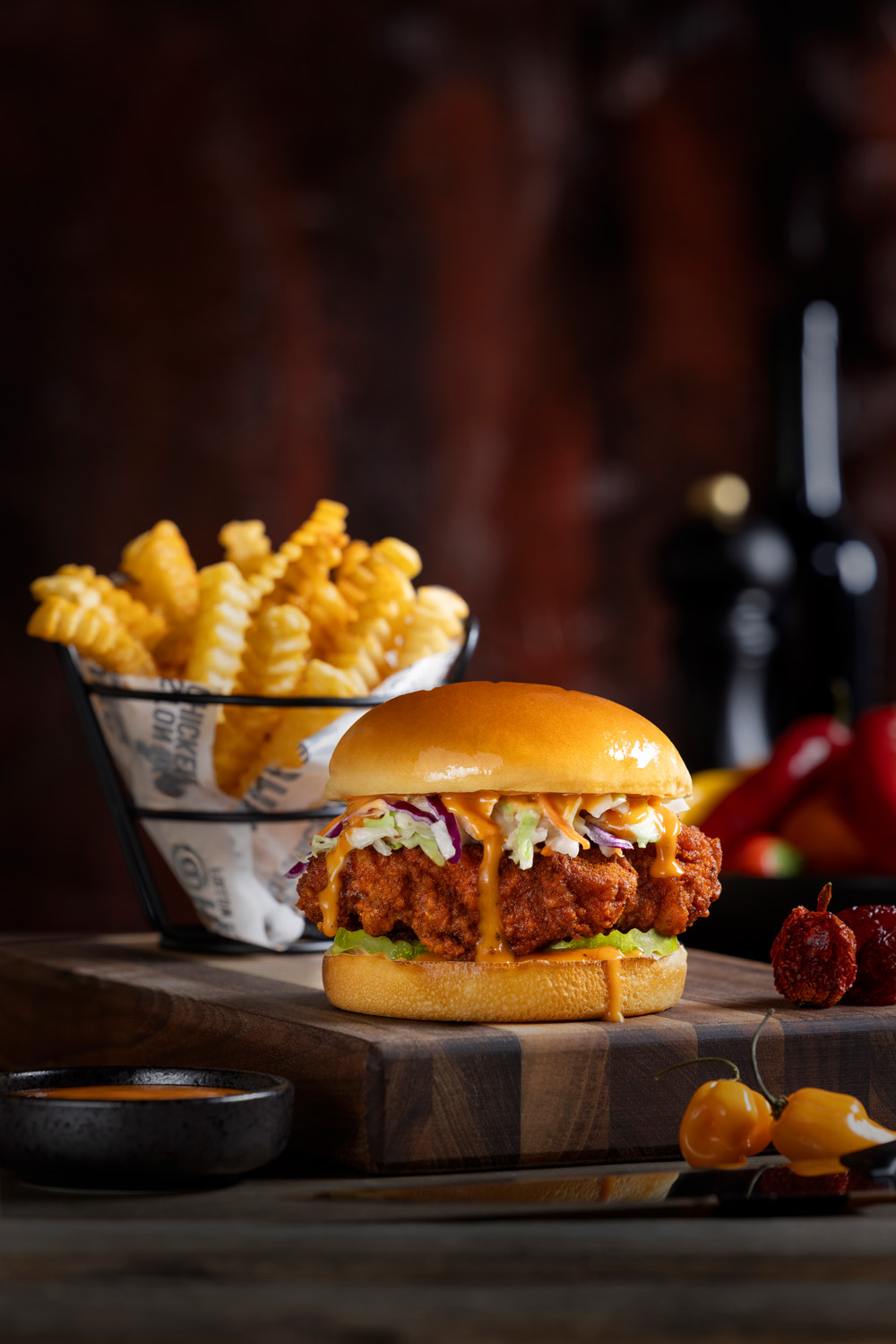
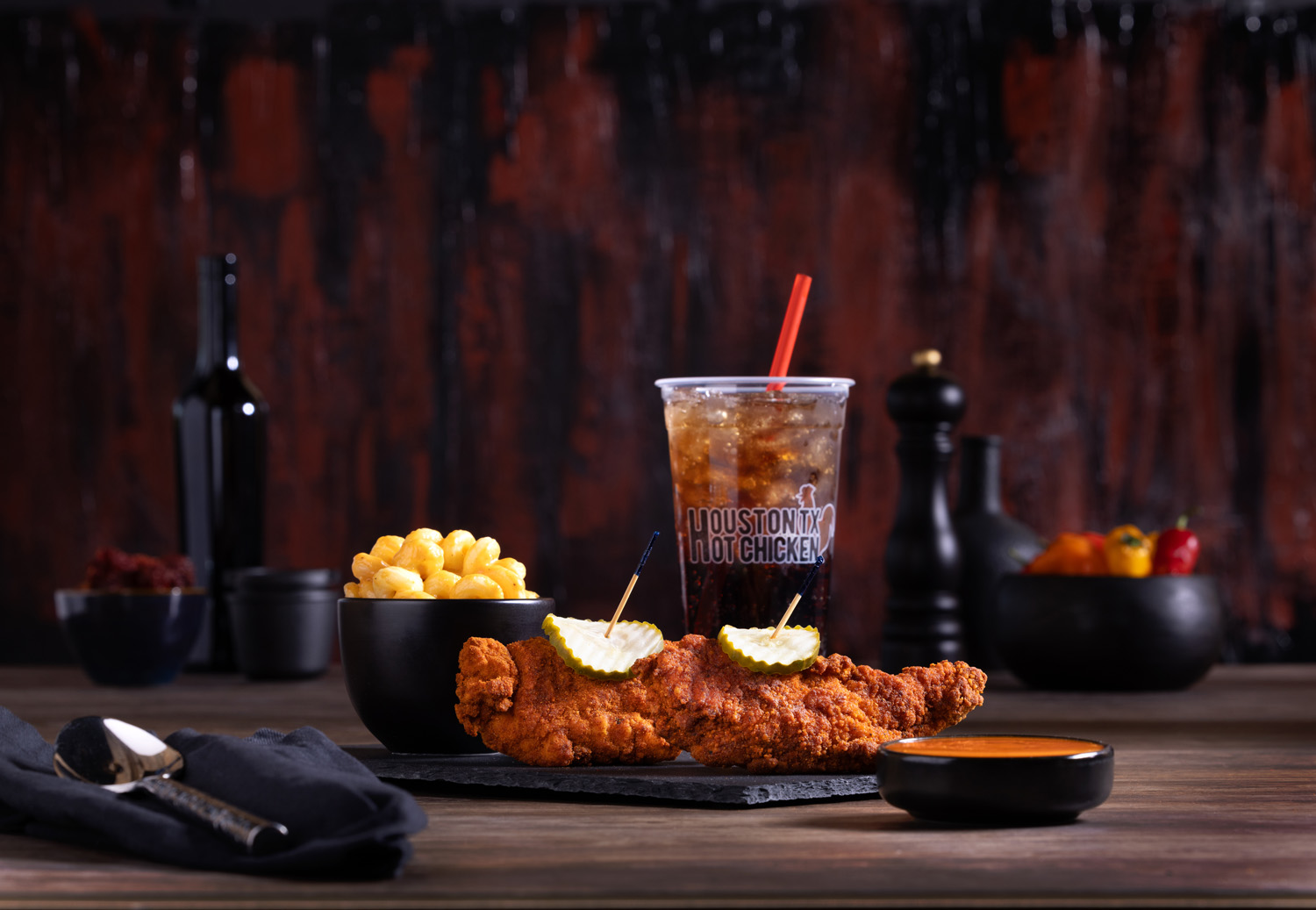
Food photography often looks simple in the final image. What it rarely shows is the pace, coordination, and structure required behind the scenes to make that simplicity possible.
Food photography lives in a narrow window between preparation and decline. A dish can look perfect for a few minutes, sometimes less, before it starts to lose the qualities that make it photograph well. Because of that, the process behind the camera has to be just as intentional as the image itself.
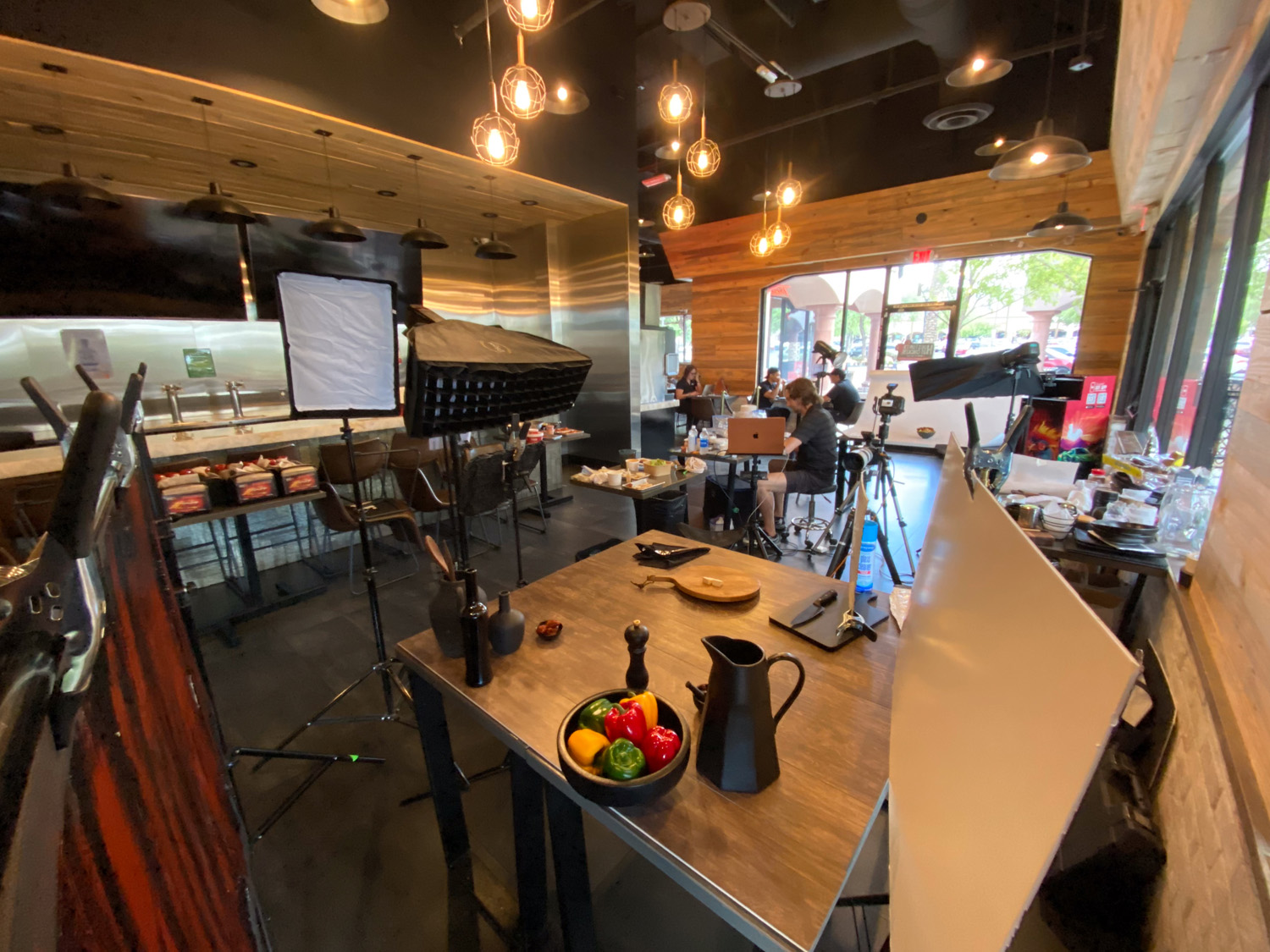
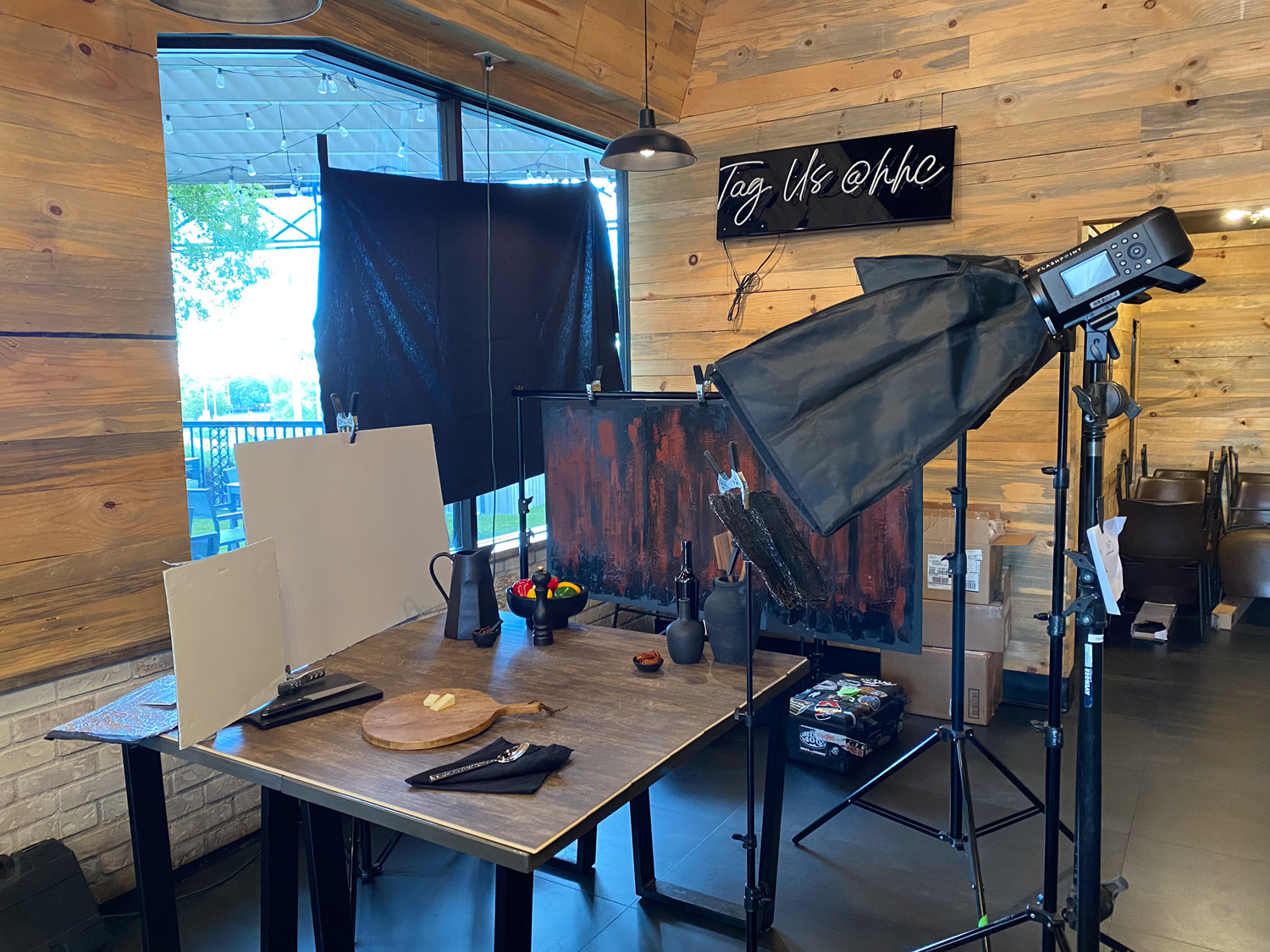
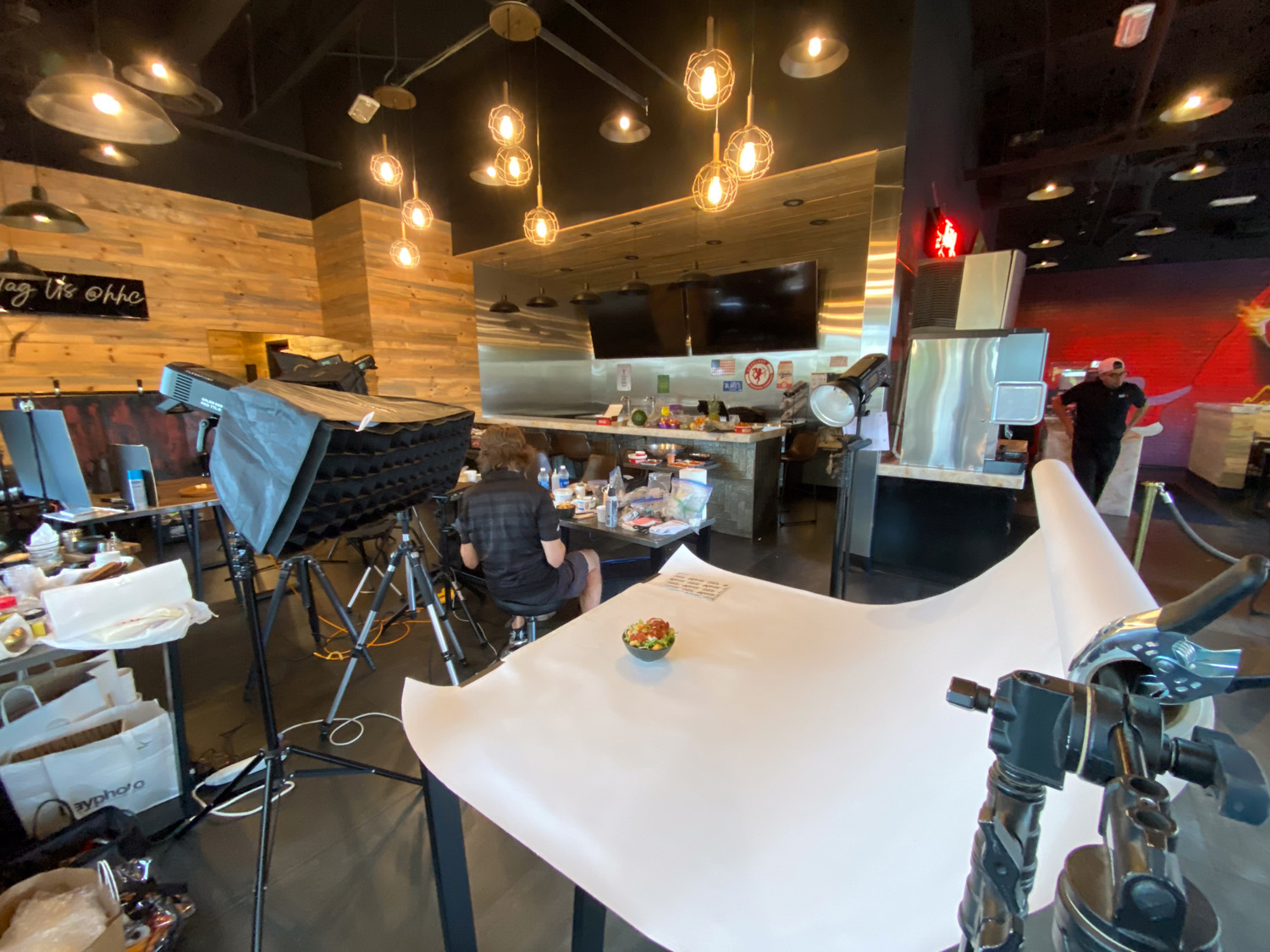
For this shoot with Houston’s Hot Chicken, we built a temporary tabletop studio inside one of their restaurants. Props, stylized surfaces, lighting, and a fully tethered setup all came together to create a controlled environment inside a space that was still very much in operation.
Food photography isn’t about capturing the dish at any moment. It’s about capturing it at the exact right moment.
A Long-Term Collaboration
One of the more meaningful aspects of this project is the history behind it.
I first started working with Houston’s Hot TX Chicken when they launched their first location in 2021. At that point, it was a single restaurant with a new concept and a clear direction. I was brought in to photograph the original menu as the brand began establishing its visual identity.
Since then, the company has grown to 31 locations across the country. As that growth happened, the photography needed to evolve with it while remaining consistent. That continuity has been a central part of the work.
Documenting that progression from the beginning has been a unique position to be in. As the brand matured, the visual language around the food matured alongside it.
Turning a Restaurant Into a Studio
Rather than moving production into a traditional studio, this shoot was built directly inside one of the restaurants.
We set up in an extended section of the dining room, giving us enough space to construct a tabletop set while still allowing the restaurant to operate normally. Shoot days were intentionally scheduled during slower periods so the kitchen and staff could support production without disrupting service.
Once everything was in place, the dining room effectively became a working studio.
A stylized surface was built out, lighting was carefully positioned, and the camera was tethered to a laptop so each frame could be reviewed in real time.
Working Tethered
Tethering is a critical part of this process.
Instead of relying on the back of the camera, every image appears immediately on a larger screen. This allows the entire team to review details together as the image is being built.
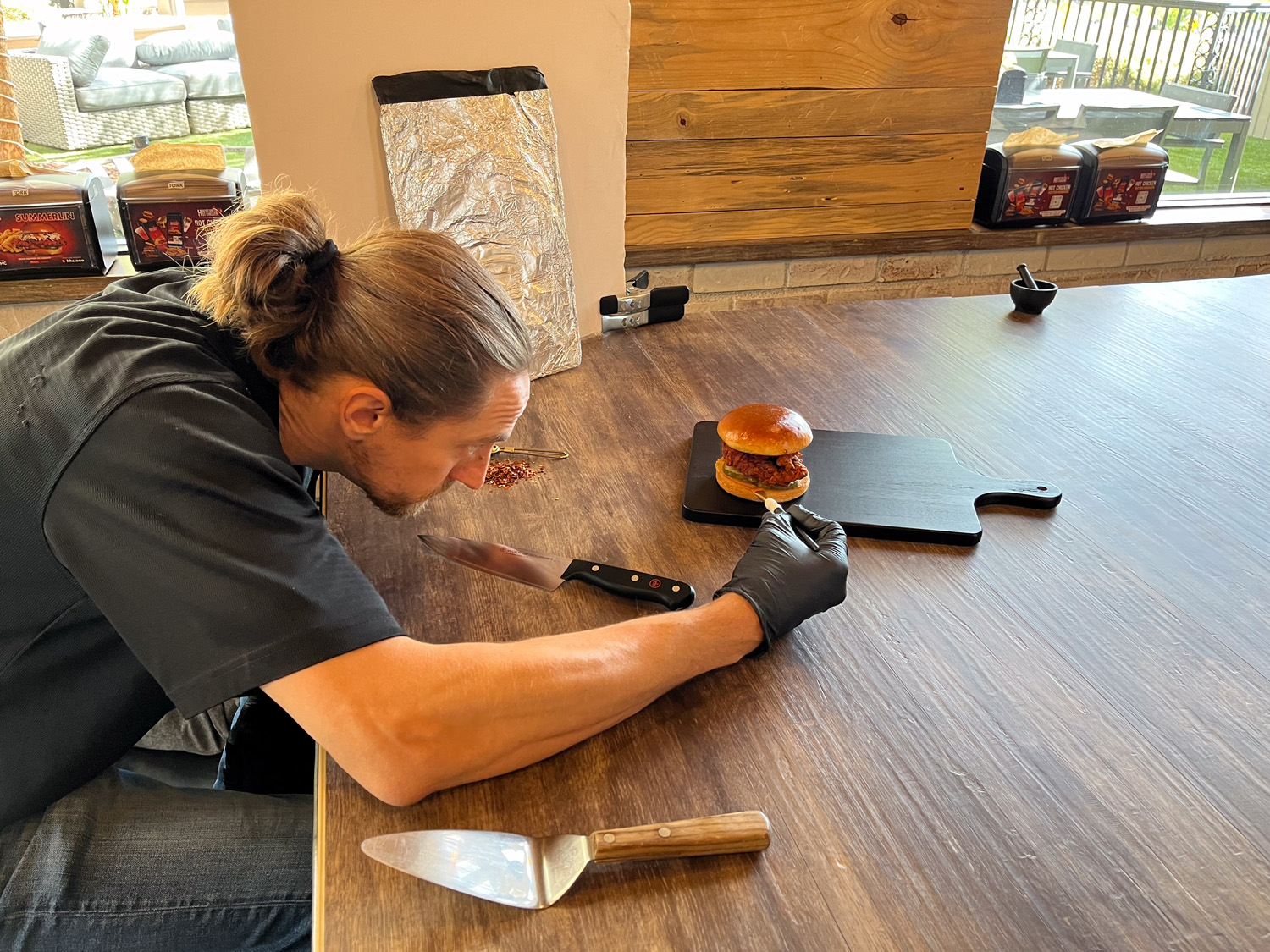
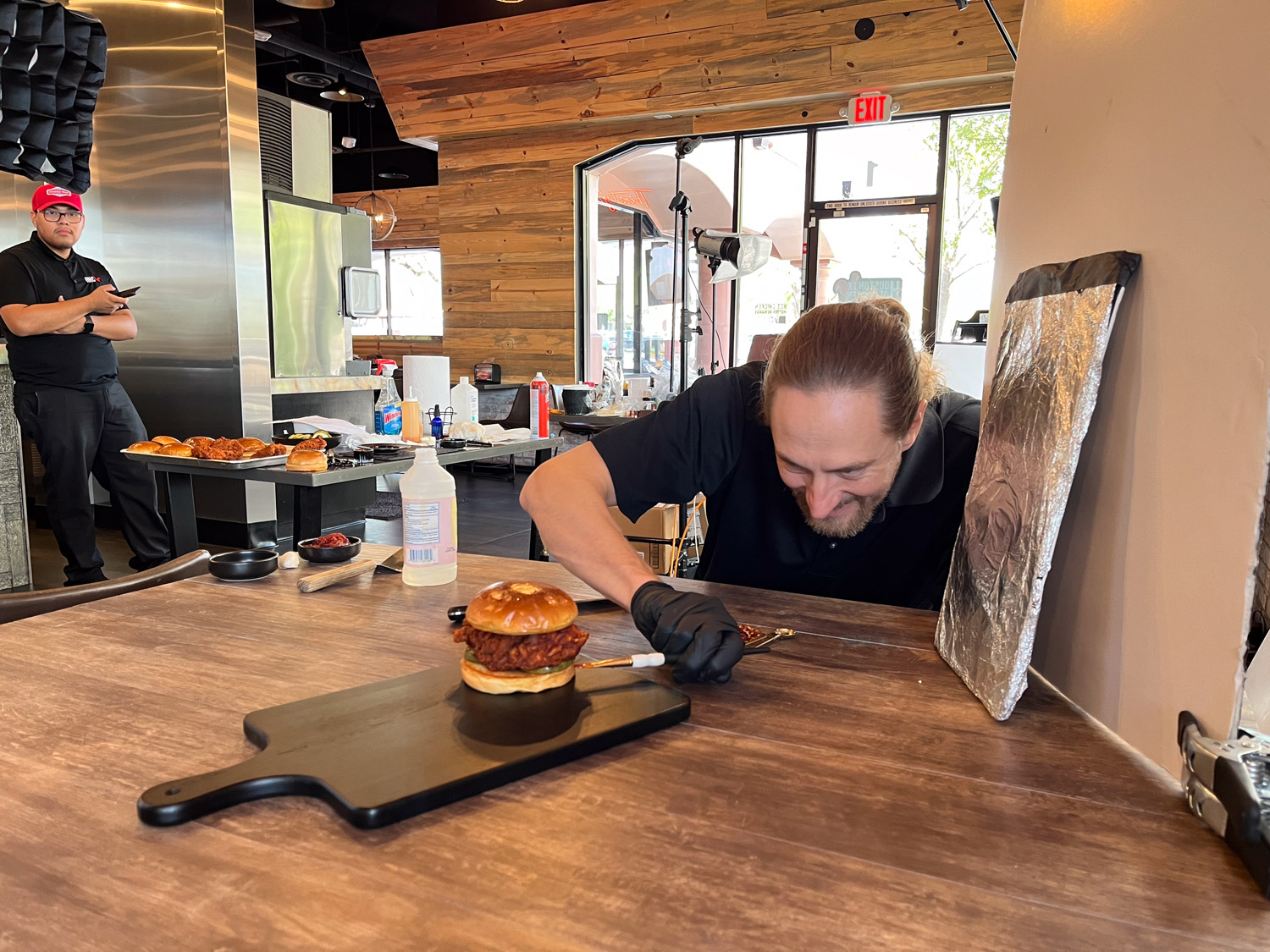
Things like crumb placement, sauce texture, bun alignment, and shadow control become much easier to evaluate at full size. That level of precision is what keeps a multi-item shoot consistent from the first dish to the last.
The Clock Is Always Running
Timing is the constant pressure behind food photography.
Hot food cools. Sauces lose their sheen. Buns soften. The point where a dish looks its best is temporary, and once it passes, it doesn’t come back.
Because of that, the shoot operates on a continuous cycle.
Each dish is prepared fresh, refined by the stylist, and moved quickly onto the set. Once captured and approved, the team resets while the next dish is already in progress.
If a dish starts to fall off before the image is finalized, it’s replaced and the process begins again.
Controlled Chaos
From the outside, the final images feel clean and straightforward. On set, there’s a constant flow of activity.
Props are staged and swapped. Lights are adjusted. Cables run across the floor. The stylist is refining details while the next plate is already being prepared in the kitchen.
It’s a controlled kind of chaos. But once the team falls into rhythm, the process becomes efficient and repeatable.
The Goal: Consistency
For a brand growing at this pace, consistency matters as much as quality.
The images need to feel cohesive whether they’re used on a menu board, a website, or a social post in a completely different market. Each dish needs to look like it belongs to the same system, even if it was photographed months apart.
That consistency comes from process. From timing, styling, and maintaining the same level of attention across every frame.
Summary
The final images are meant to feel simple, direct, and appetizing.
What makes that possible is everything happening just outside the frame. The structure, the pacing, and the coordination required to capture each dish at the exact moment it looks its best.
When the process is working properly, the photography feels effortless.
Even when it isn’t.