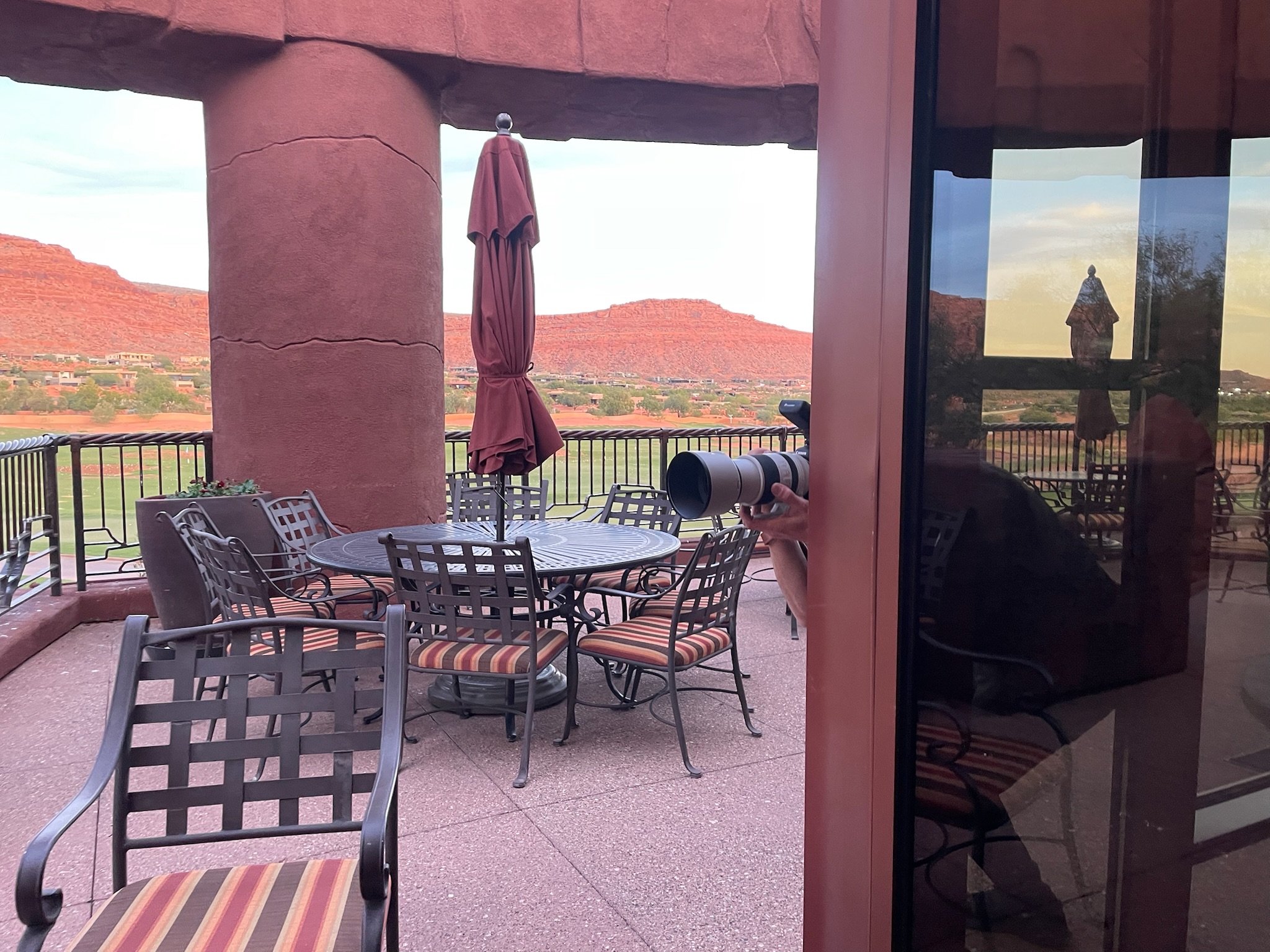
Behind the Scenes: Photographing Entrada
Building lifestyle imagery on an active property using real members, natural light, and a lightweight, responsive approach
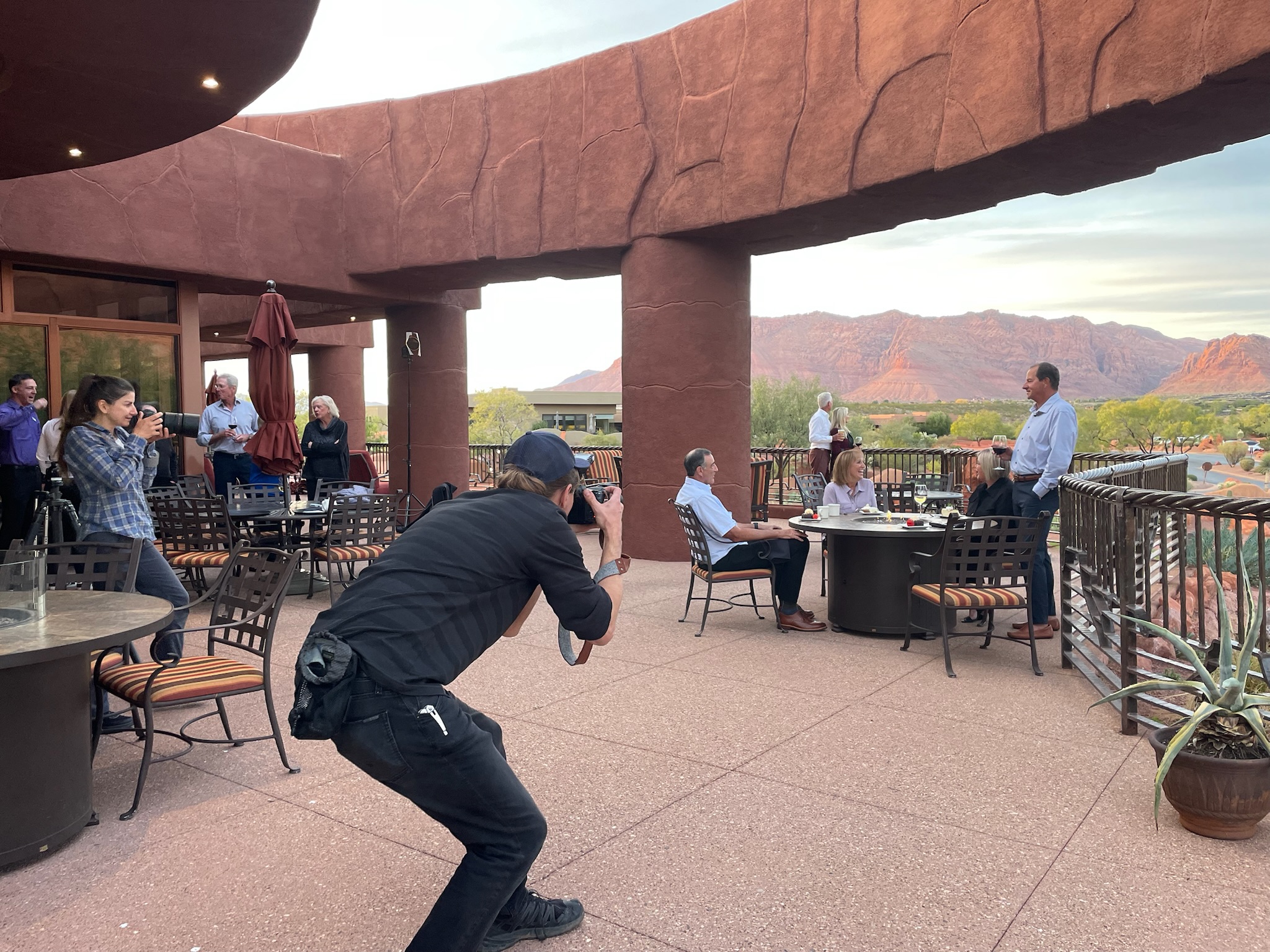
Lifestyle photography often looks effortless in the final image. A couple walking a fairway, a quiet moment at dinner, a relaxed afternoon by the pool. What those images don’t show is how much coordination, timing, and restraint goes into capturing something that feels natural.
For this shoot at Entrada, the focus was on lifestyle. Real members and residents moving through the property, interacting with the spaces in a way that reflects how the club is actually experienced.
Unlike a controlled studio or heavily directed set, this kind of work depends on observation as much as execution. The goal isn’t to build moments from scratch, but to recognize them as they happen and shape them just enough to translate on camera.
Working with Real Members
One of the defining aspects of this shoot was working with actual members rather than hired talent.
That changes the dynamic immediately. There’s less control, but more authenticity. People move differently when they’re comfortable in a space they know. Conversations feel natural. Body language is more relaxed.
Instead of directing every detail, the approach becomes lighter. Small adjustments in positioning, timing, or framing, but allowing the interaction itself to remain intact.
The result is imagery that feels more grounded and believable.
Moving Through Multiple Activities
The shoot covered a range of activities across the property.
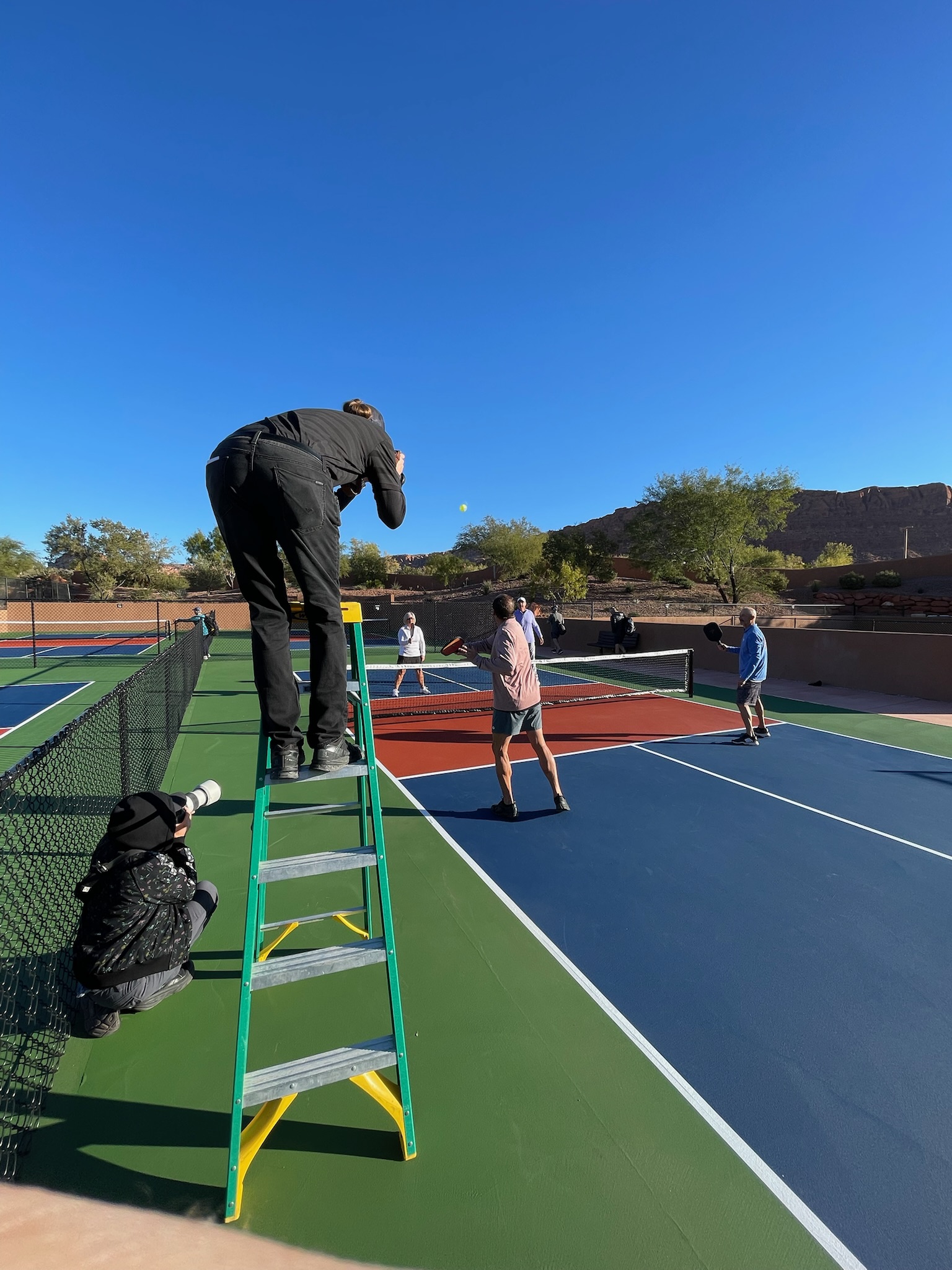
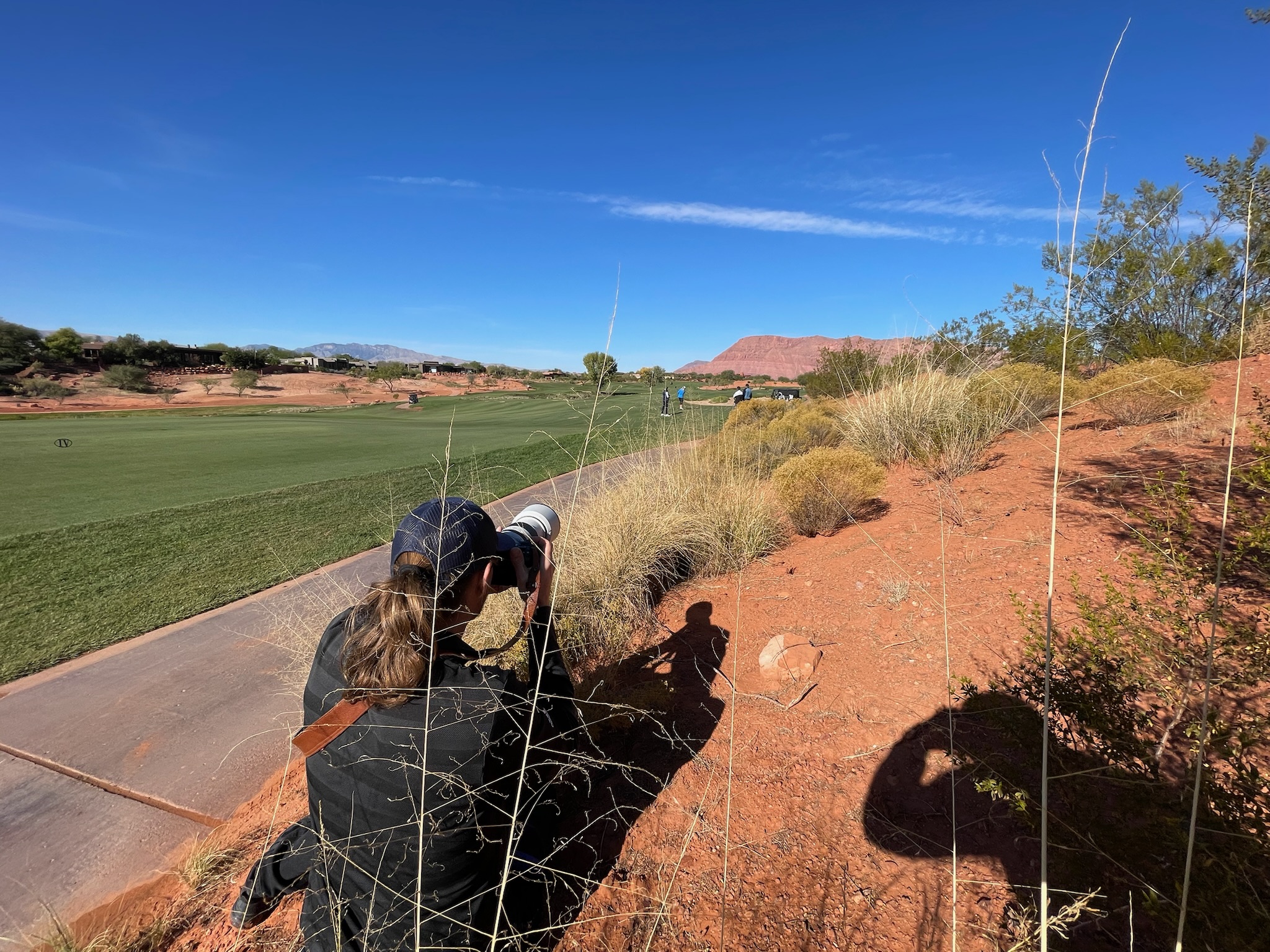
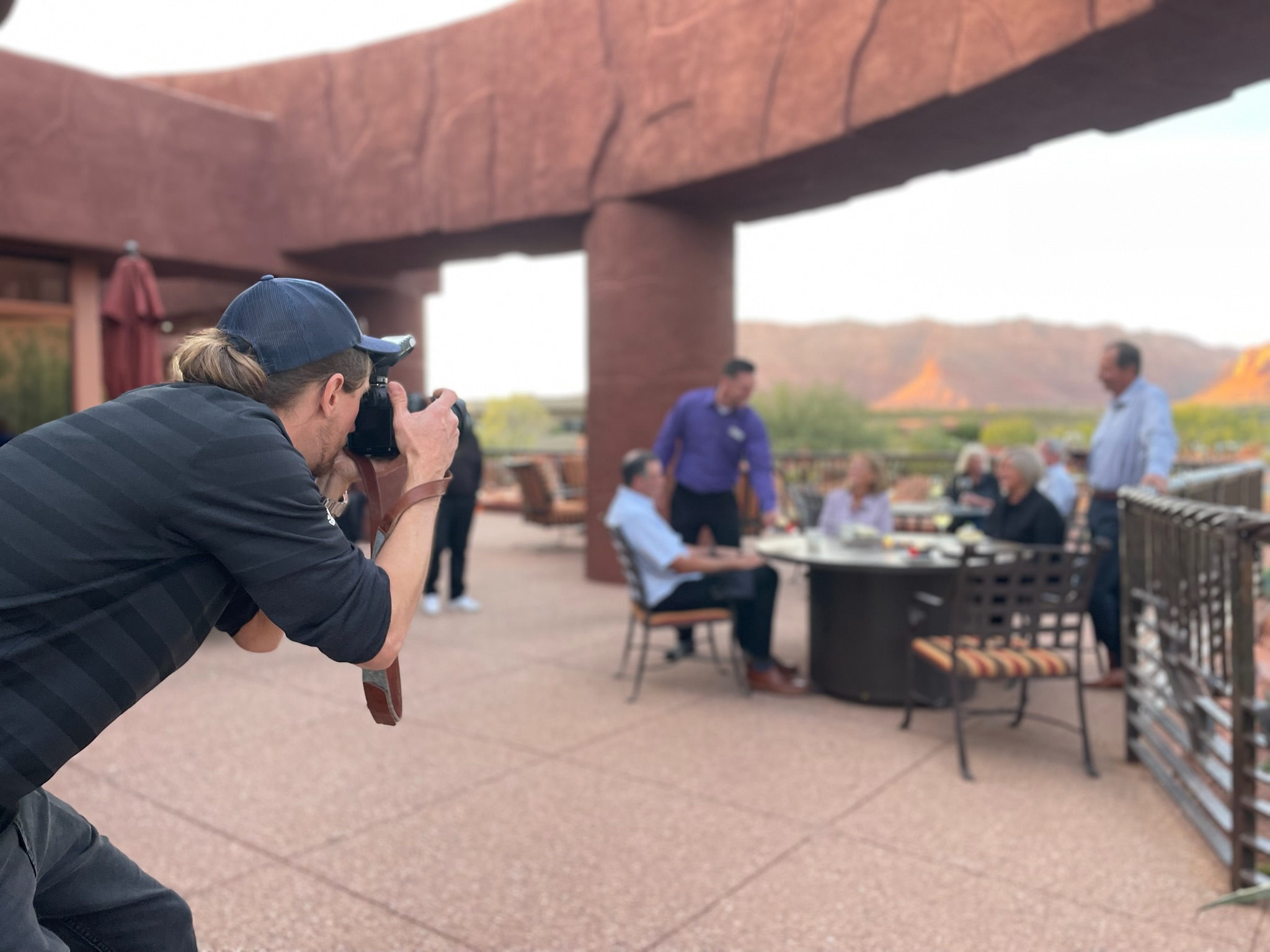
Golf, pickleball, pool time, and dining all needed to be captured within a relatively tight schedule. Each environment has its own pace and rhythm, and shifting between them requires staying flexible without losing consistency.
Golf tends to be slower and more spatial. Pool and dining are more social and timing-driven. Pickleball sits somewhere in between, with quick movement and interaction.
Working through all of these in sequence meant constantly adjusting while keeping the overall look aligned.
Natural Light and Timing
Natural light carried most of the work.
Rather than building large lighting setups, the focus was on positioning subjects within the existing environment. Where the light was clean, where it added dimension, and where it supported the moment without drawing attention to itself.
That also meant working around time of day. Some scenes needed to happen early, others later, depending on how the light interacted with the space.
Timing becomes part of the production, not just a condition you react to.
Working as a Two-Person Team
This shoot was produced as a small, efficient team.
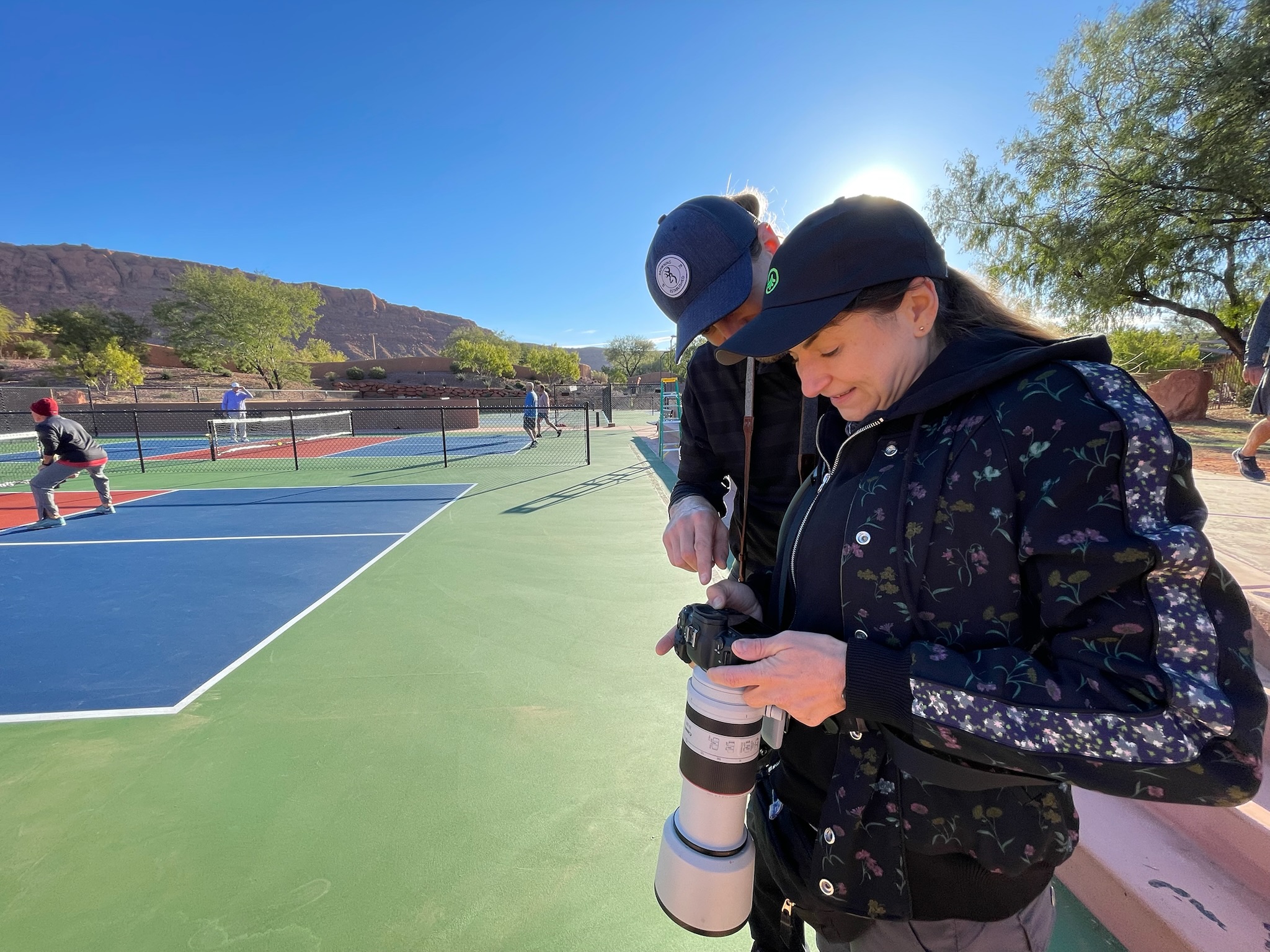
Working alongside my fiancée and business partner allowed us to move quickly between setups while maintaining control over details. One of us focused on camera and composition, while the other helped guide subjects, manage small adjustments, and keep the flow of the shoot moving.
On a lifestyle-heavy production, that kind of coordination makes a noticeable difference. It keeps things from feeling rushed while still covering everything that needs to be captured.
Controlled but Unscripted
From the outside, the images appear simple and natural. Behind the scenes, there’s a constant balance between control and spontaneity.
Subjects are placed with intention, but not over-directed. Light is considered, but not forced. Moments are guided, but not staged to the point where they lose authenticity.
It’s a quieter kind of production, but it still requires attention at every step.
The Goal: Believability
For a property like Entrada, lifestyle imagery needs to feel real.
Potential members and guests aren’t just looking at amenities. They’re imagining themselves in the space. The photography needs to support that without exaggeration or distraction.
When the process works, the images feel effortless.
Even if the process behind them isn’t.
Summary
Lifestyle photography is less about creating moments and more about recognizing them.
On a property like Entrada, where the environment and experience are closely tied together, the job is to stay aware, move efficiently, and allow real interactions to lead the frame.
The less the production calls attention to itself, the stronger the result tends to be.